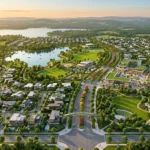
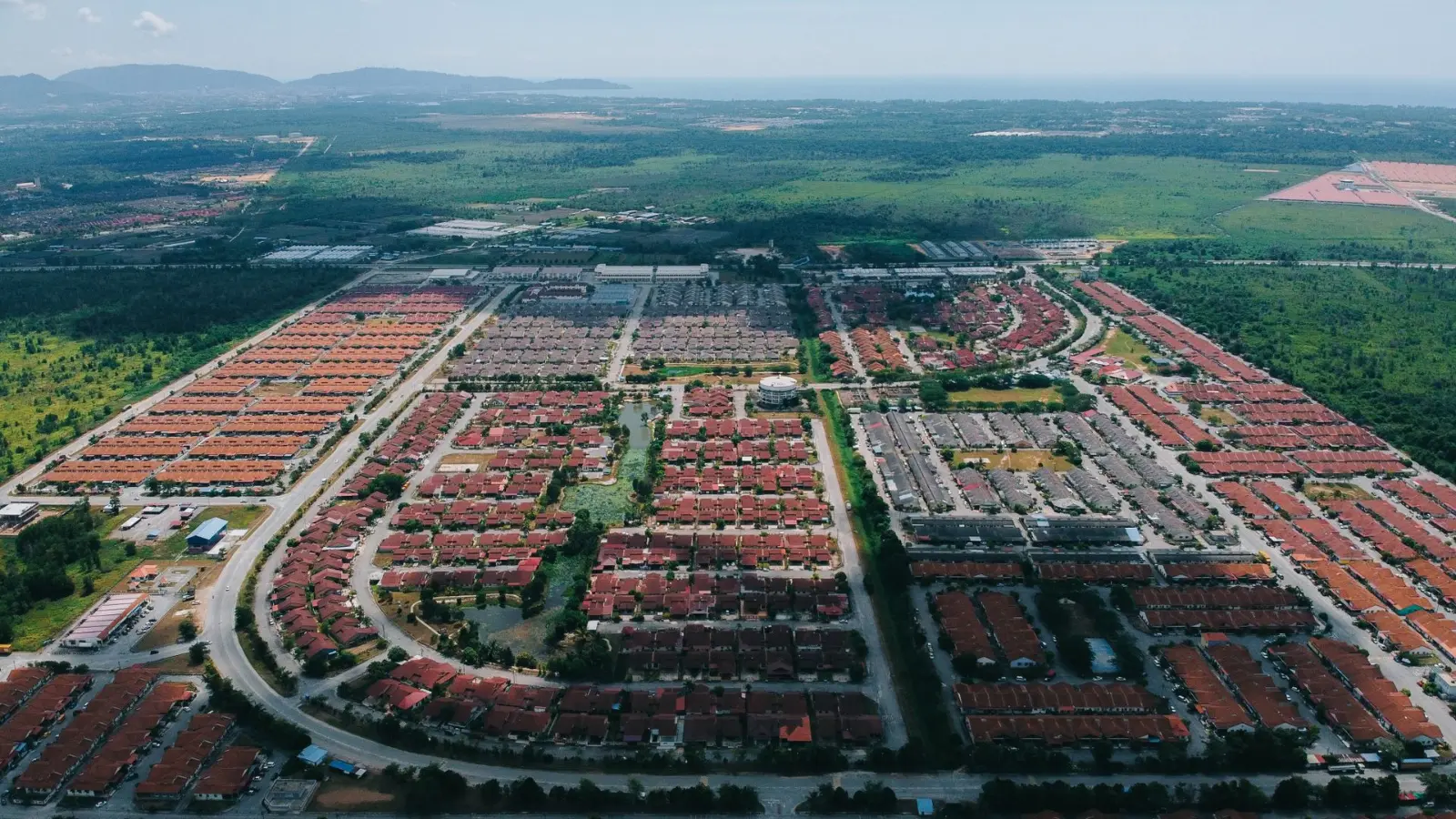
The traditional gated community is evolving. In 2026, the real estate sector has moved toward a more comprehensive model: the Smart Township. These are not just collections of residential blocks; they are integrated, tech-enabled urban ecosystems designed to function as cities within cities. For the modern urban dweller, smart townships offer a level of convenience and sustainability that standard metropolitan housing can no longer match.
Defining the Smart Township
A smart township integrates three core components: Digital Connectivity, Sustainable Infrastructure, and Automated Management.
- Digital Connectivity: Every home and common area is connected via high-speed fiber-optic networks, allowing residents to manage everything – from home security and appliances to utility bills – via a single township app.
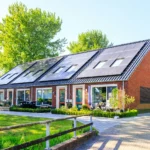
- Sustainable Infrastructure: Smart townships utilize centralized resource management. This includes integrated water recycling plants, on-site solar grids, and AI-driven waste management systems that drastically lower the carbon footprint per capita compared to traditional buildings.
- Automated Security: Safety is handled via a centralized, AI-monitored grid. Perimeter cameras, facial recognition entry, and autonomous patrol drones ensure security without the need for excessive human intervention.
Why Investors and Residents are Choosing Townships
The migration to smart townships is driven by the realization that location is no longer just about the city center; it is about the quality of the internal environment.
1. The 15-Minute City Concept
The most successful smart townships are designed so that every essential service – grocery stores, gyms, coworking spaces, schools, and healthcare clinics – is within a 15-minute walk or cycle from your front door. This drastically reduces commute-related stress and improves the overall quality of life.
2. Operational Reliability
In many Indian cities, managing electricity, water, and waste is a daily challenge. Smart townships solve this by centralizing these services. They operate their own private power grids and water treatment plants, insulating residents from the infrastructure gaps that often plague rapidly growing urban centers.
The Future: Townships as Data Hubs
In 2026, we are seeing the rise of townships that act as data hubs. Developers are collecting real-time data on energy consumption, air quality, and noise levels. By analyzing this data, township managers can optimize resource use, reduce costs for residents, and proactively upgrade infrastructure before it shows signs of wear. For the real estate investor, a smart township is not just a building; it is a future-proof asset that offers higher rental yields and faster capital appreciation.