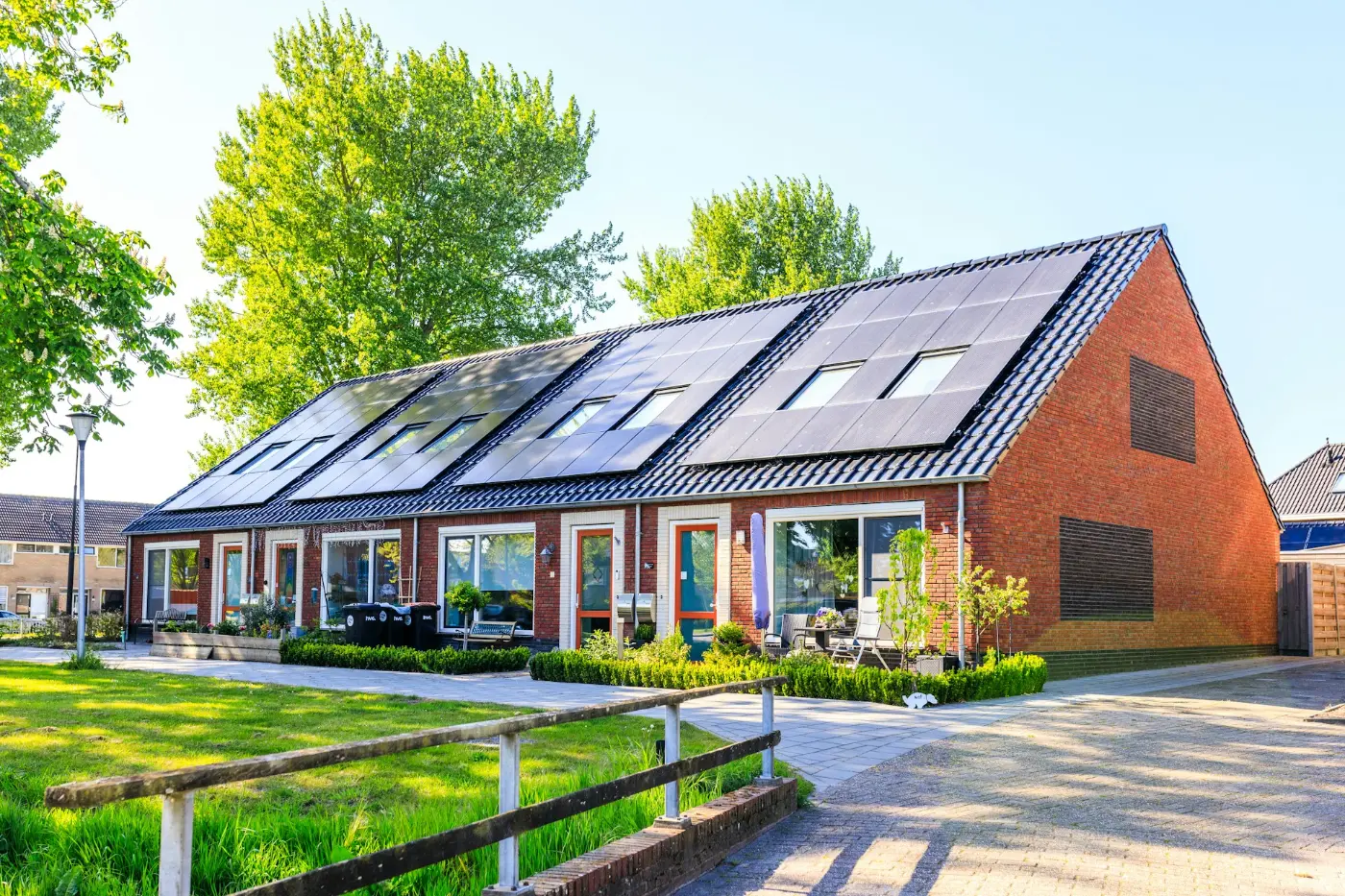
The era of the “generic glass box” building is officially over. As global temperatures rise and extreme weather events become more frequent, the architectural industry in 2026 has pivoted toward Climate-Adaptive Design. Sustainable architecture is no longer just about aesthetics or adding a token solar panel; it is about building physical structures that intelligently respond to their environment to reduce energy dependency and protect occupants.
Passive-First Foundations
Modern sustainable architecture relies on “Passive-First” design principles. Instead of relying solely on artificial HVAC systems, architects are using high-performance building envelopes to naturally manage indoor climates. In hot climates, this involves utilizing deep overhangs, internal courtyards, and perforated facades (jaalis) that facilitate natural cross-ventilation while blocking direct solar heat gain.
The Rise of Bio-Concrete and Mass Timber
The industry is rapidly replacing high-carbon materials like traditional Portland cement with sustainable alternatives. Cross-Laminated Timber (CLT) and self-healing bio-concrete are becoming the new industry standard. These materials are not just lower in carbon; they actively sequester carbon or, in the case of bio-concrete, use bacterial agents to autonomously seal microscopic cracks, significantly extending the building’s lifespan.
Data-Driven Design (The BIM-AI Nexus)
Architecture in 2026 is data-driven. Using Building Information Modeling (BIM) integrated with Artificial Intelligence, designers can now create “Digital Twins” of buildings. They run real-time simulations to predict how a structure will perform over fifty years, testing for thermal aging, extreme moisture resistance, and energy efficiency before a single brick is laid.