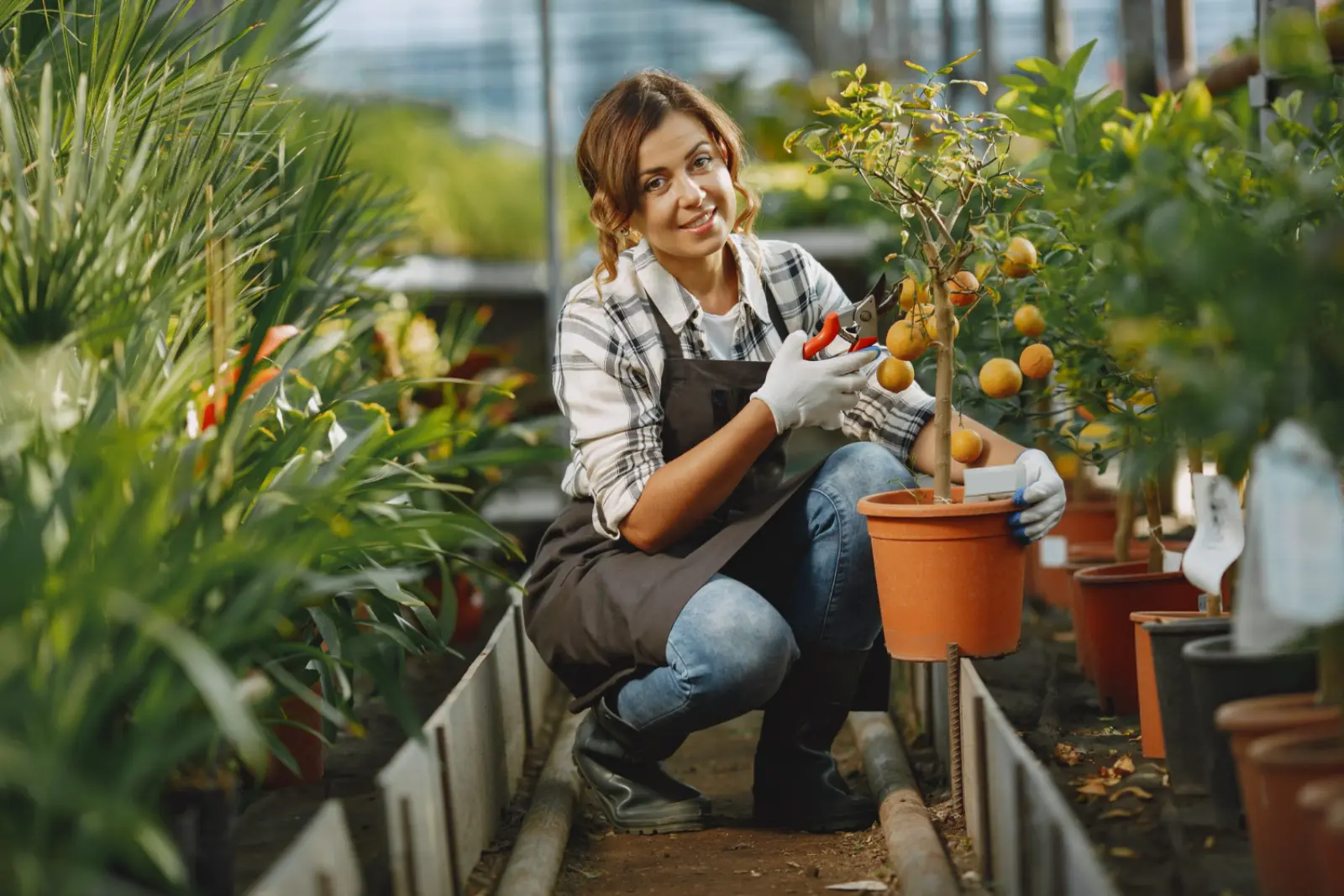
You don’t need an acre of land to be a farmer. In 2026, Urban Gardening has become more than just a hobby – it is a movement toward self-sufficiency. For apartment dwellers, the challenge is physical space, but with the right tech and design, you can produce a significant portion of your daily leafy greens and herbs right in your kitchen or balcony.
The Technology of Small-Space Gardening
The Soil-in-a-Pot method is just the beginning. The future of urban gardening lies in Soilless Technology.
1. Hydroponic Systems
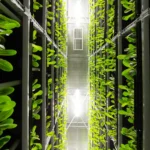
Hydroponics (growing plants in nutrient-rich water) is the ultimate apartment hack. Because you aren’t using heavy soil, these systems are lightweight and modular. You can stack them vertically, allowing you to grow twenty plants in a space the size of a single chair.
2. Smart LED Lighting
The biggest limitation for urban gardens is sunlight. Smart LED grow lights have revolutionized indoor gardening. These lights provide the exact spectrum of light that plants need for photosynthesis. You can now grow high-quality lettuce, basil, and kale in a windowless room, controlled entirely by an app that mimics the sun’s natural cycles.
How to Start Your First Micro-Farm
If you are new to this, start small to avoid burnout.
- Phase 1: Herbs: Start with hardy herbs like mint, coriander, and basil. They are fast-growing and provide an immediate reward for your effort.
- Phase 2: Leafy Greens: Once you have the hang of it, move to lettuce and spinach. These crops are highly efficient, yielding multiple harvests in a very small footprint.
- Phase 3: Automated Monitoring: Invest in a basic moisture sensor. Many urban gardeners over-water their plants. A sensor gives you the exact data you need, turning gardening from a guessing game into a science-based activity.
The Mental and Environmental Benefits
Urban gardening is a powerful antidote to Nature Deficit Disorder. The act of tending to a plant, watching it grow, and consuming what you produced creates a psychological connection that no store-bought vegetable can replicate. Furthermore, every head of lettuce you grow in your kitchen is one that doesn’t need to be shipped hundreds of kilometers via a refrigerated truck, making your urban life more sustainable than ever.