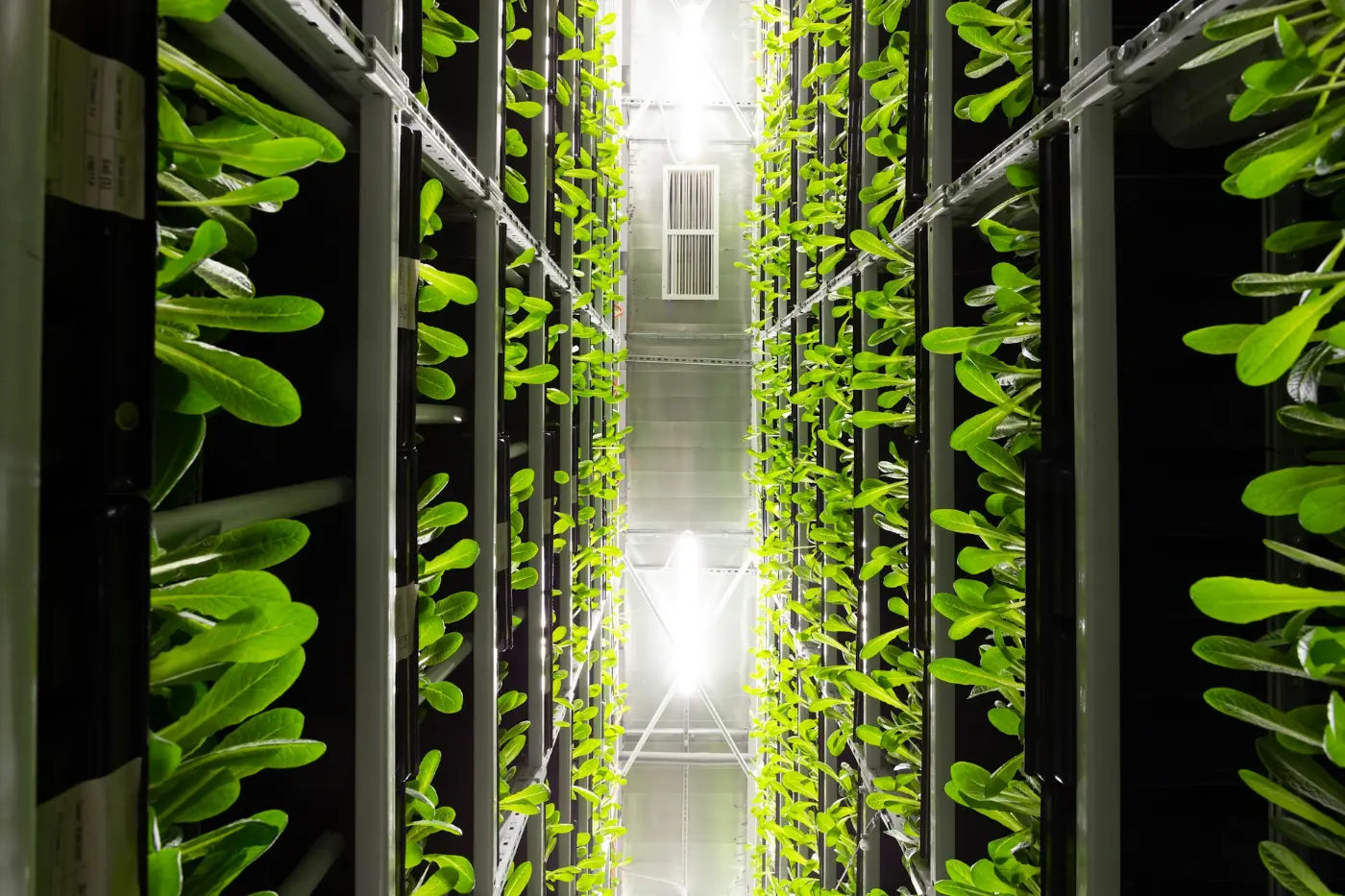
As climate change makes traditional outdoor agriculture increasingly unpredictable, the food supply chain is moving indoors – and upward. In 2026, Vertical Farming 2.0 is scaling across global megacities, transforming empty warehouses and high-rise basements into hyper-productive agricultural powerhouses.
What is Vertical Farming 2.0?
First-generation vertical farms proved the concept but struggled with high electricity costs. The 2026 iteration solves this through a trifecta of advanced tech:
- AI-Optimized Light Recipes: Instead of using standard white LEDs, farms use specific spectrums of pink and purple light tuned precisely to what a plant needs at each stage of growth, cutting energy usage by 40%.
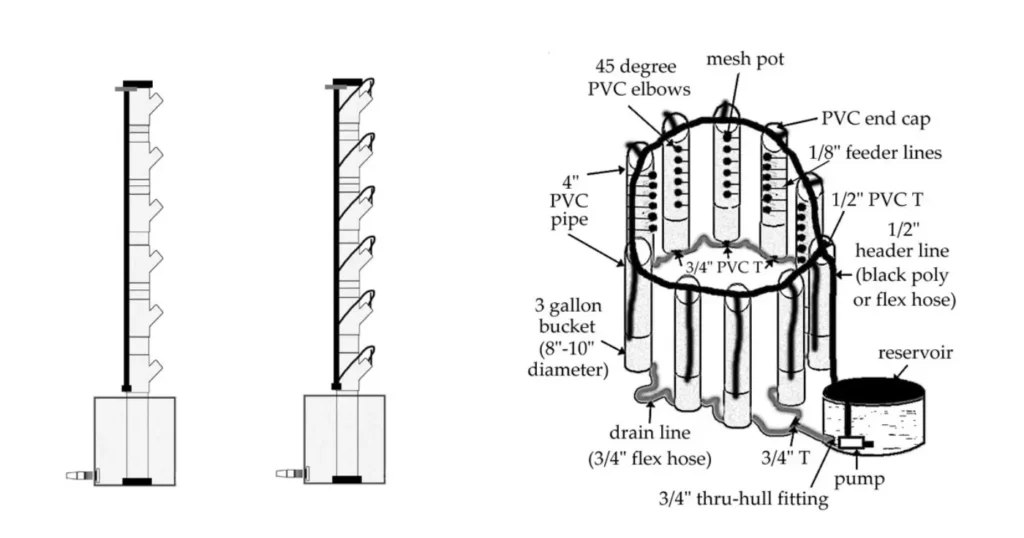
- Closed-Loop Aeroponics: Crops are grown without soil; their roots are suspended in the air and misted with a nutrient-rich solution. This uses 95% less water than traditional farming.
- Robotic Harvesting: Automated arms handle everything from seeding to packaging, minimizing human contact and eliminating the need for chemical pesticides.
The Urban Advantage
By growing food directly inside cities like New York, Tokyo, or Mumbai, the “farm-to-table” distance is reduced from thousands of kilometers to just a few city blocks. This slashes transportation emissions, eliminates food spoilage during transit, and guarantees fresh produce to urban populations year-round.