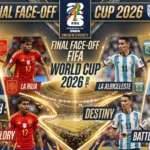
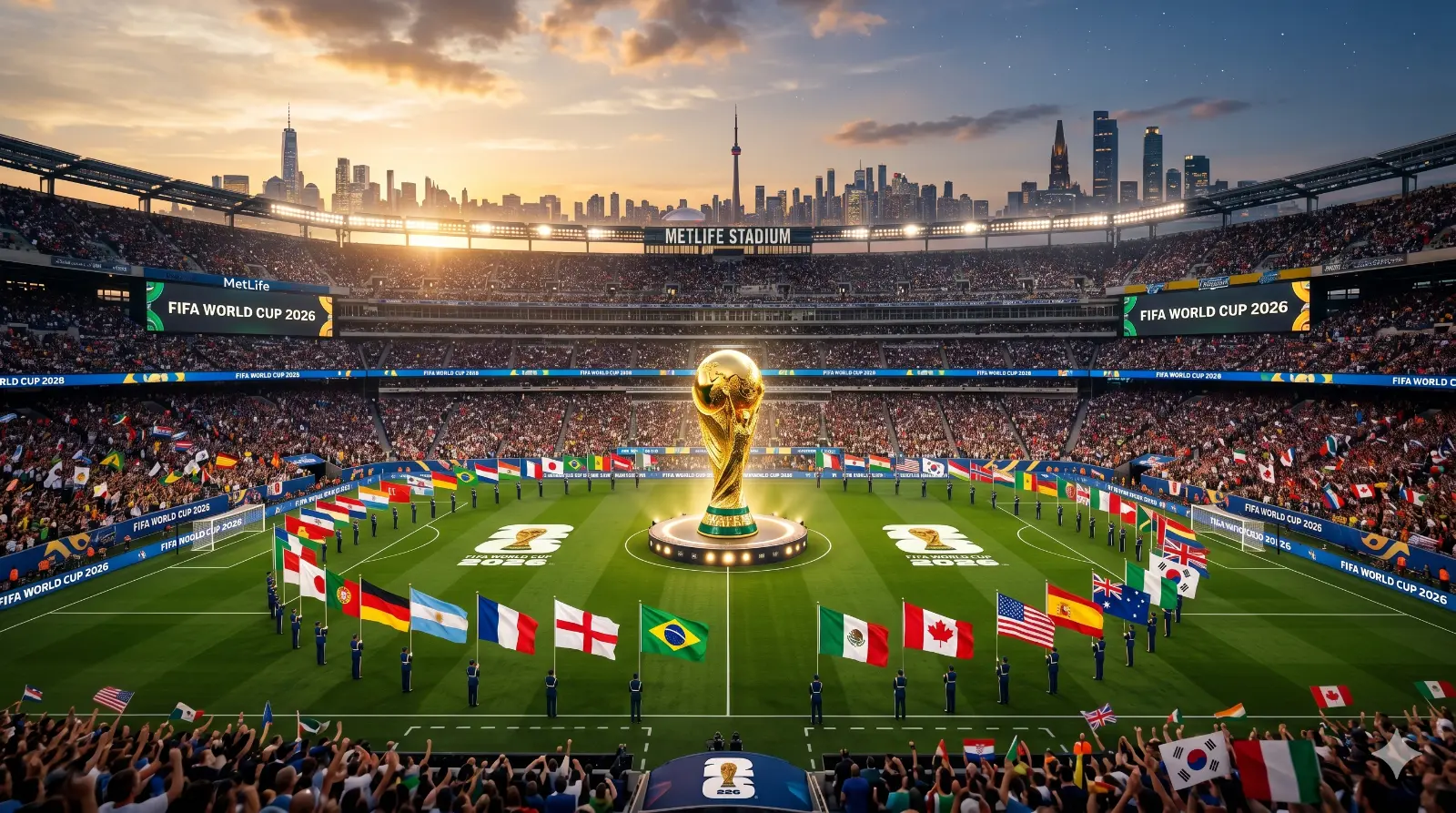
Every four years, the planet stops spinning for football. But in 2026, something unprecedented is happening – the FIFA World Cup 2026 doesn’t just grow, it transforms. For the first time in history, 48 nations are competing across three host countries (the United States, Canada, and Mexico), playing 104 matches over 39 days in what FIFA and football fans alike are already calling the most ambitious sporting event ever staged.
Whether you’ve watched every World Cup since 1966 or you’re tuning in for the first time, this is your essential, no-fluff guide to the 2026 FIFA World Cup. We cover the format, the teams, the venues, the key dates, the favourites, the underdogs, and everything in between.
📖 WHAT’S IN THIS GUIDE
1. The New 48-Team Format – Explained Simply
Gone are the days of 32 teams, eight groups, and a straightforward knockout bracket. The 2026 FIFA World Cup introduces an expanded format that fundamentally reshapes how the tournament plays out – and it takes a moment to wrap your head around.
Group Stage: 12 Groups of 4
Instead of eight groups of four teams, the 2026 tournament uses twelve groups of four. Every team plays three group-stage matches – unchanged from previous editions. The key difference is in who advances:
- The top two teams from each group advance automatically – that’s 24 teams.
- The eight best third-placed finishers across all twelve groups also advance – adding 8 more teams.
- Total advancing to the knockout stage: 32 teams.
The Brand-New Round of 32
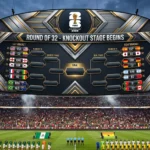
This is the genuinely new part. Rather than jumping from 24 (or 16) teams straight into a Round of 16, the 2026 World Cup introduces a Round of 32 – sixteen matches of winner-take-all football before the traditional knockout bracket begins. This means:
- More nations experience knockout-stage football for the first time.
- Third-placed group finishers still get a knockout game rather than an automatic exit.
- The knockout stage runs: Round of 32 → Round of 16 → Quarterfinals → Semifinals → Final.
The 2026 World Cup is the most significant structural evolution in the tournament’s history – more teams, more matches, and more drama than any edition before it.
2. Host Nations & Venues: 16 Stadiums Across 3 Countries
For the first time, the FIFA World Cup is co-hosted by three nations. The United States leads as the primary host, with Canada and Mexico sharing hosting duties. Sixteen world-class stadiums are spread across the continent:
FIFA World Cup 2026 – Host Venues at a Glance
| Country | Host Cities / Stadiums | Matches Hosted |
|---|---|---|
| United States | Los Angeles (SoFi), New York/NJ (MetLife), Dallas (AT&T), Miami, Boston, Philadelphia, Seattle, San Francisco Bay Area, Kansas City, Atlanta | 78 matches (incl. Final) |
| Canada | Toronto (BMO Field), Vancouver (BC Place) | 13 matches |
| Mexico | Mexico City (Estadio Azteca, Estadio BBVA), Guadalajara (Estadio Akron) | 13 matches (incl. Opener) |
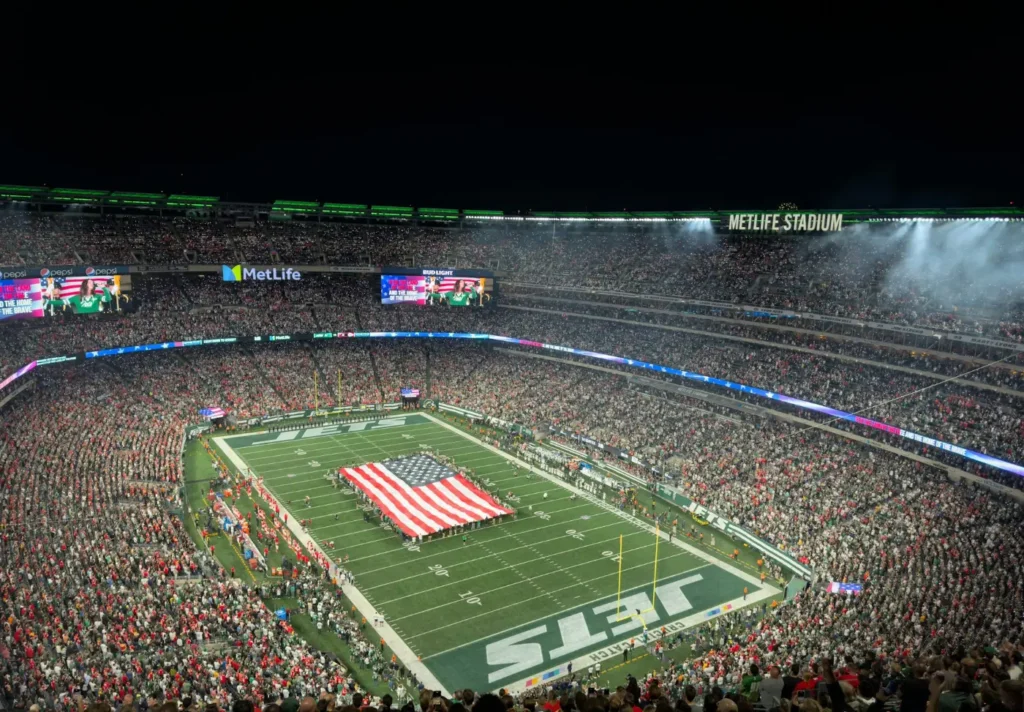
The Final will be played on July 19, 2026, at MetLife Stadium in East Rutherford, New Jersey – the home of the NFL’s New York Giants and New York Jets, with a capacity of approximately 82,500. The opening match, meanwhile, kicks off at the legendary Estadio Azteca in Mexico City on June 11, 2026 – the same ground that hosted two previous World Cup finals (1970 and 1986).
3. Key Dates You Cannot Miss
FIFA World Cup 2026 – Tournament Schedule at a Glance
| Date | Event |
|---|---|
| June 11, 2026 | Tournament Opener – Mexico vs South Africa, Estadio Azteca, Mexico City |
| June 11–27, 2026 | Group Stage – All 48 teams play 3 matches each |
| June 28 – July 5, 2026 | Round of 32 – 16 knockout matches |
| July 6–8, 2026 | Round of 16 – 8 matches |
| July 9–11, 2026 | Quarterfinals – 4 matches |
| July 14–15, 2026 | Semifinals – 2 matches |
| July 18, 2026 | Third-Place Play-Off |
| July 19, 2026 | THE FINAL – MetLife Stadium, New Jersey |
4. All 12 Groups at a Glance
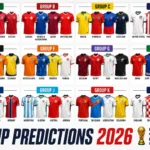
The 48 teams are drawn into twelve groups of four, labeled A through L. Same-confederation teams (except UEFA) cannot be in the same group, ensuring global spread in every section of the draw. Here’s how the groups shape up:
FIFA World Cup 2026 – All Groups
| Group | Teams |
|---|---|
| A | Mexico (Host) · South Africa · South Korea · Czechia |
| B | Canada (Host) · Bosnia and Herzegovina · Qatar · Switzerland |
| C | Brazil · Morocco · Haiti · Scotland |
| D | United States (Host) · Paraguay · Australia · Türkiye |
| E | Germany · Curaçao · Côte d’Ivoire · Ecuador |
| F | Netherlands · Japan · Sweden · Tunisia |
| G | Belgium · Egypt · Iran · New Zealand |
| H | Spain · Cape Verde · Saudi Arabia · Uruguay |
| I | France · Senegal · Iraq · Norway |
| J | Argentina · Algeria · Austria · Jordan |
| K | Portugal · DR Congo · Uzbekistan · Colombia |
| L | England · Croatia · Ghana · Panama |
| ⚽ GROUP STAGE FACT The 2026 group stage runs from June 11 to June 27 – 17 days of non-stop football across three continents of time zones. On some days, up to eight matches will be played simultaneously in the final group-stage matchday round. |
5. The Title Contenders: Who Can Win It?
With 48 teams, every qualifier has earned the right to dream – but realistically, the 2026 title race is expected to come down to a familiar set of elite nations. Here’s a quick read on the leading contenders:
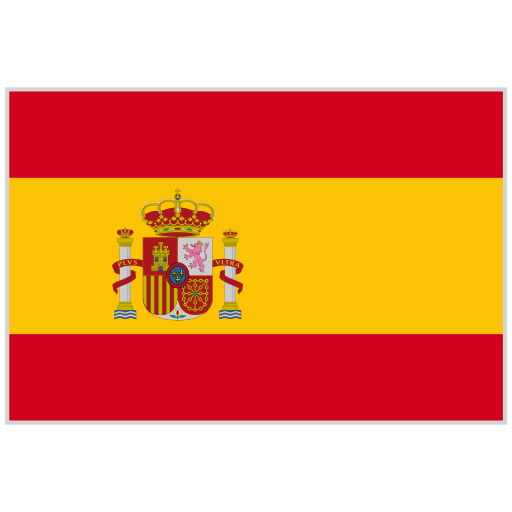 Spain – The Bookmakers’ Favourite
Ranked No.1 in the world heading into the tournament, Spain arrive at 2026 as the dominant force in international football. Fresh from winning Euro 2024, Luis de la Fuente’s side boast a generational spine – Lamine Yamal (18) and Pedri (24) in the engine room, with Álvaro Morata providing the finishing touch. Placed in Group H alongside Uruguay, Spain’s biggest early test, La Roja look built to go the distance.
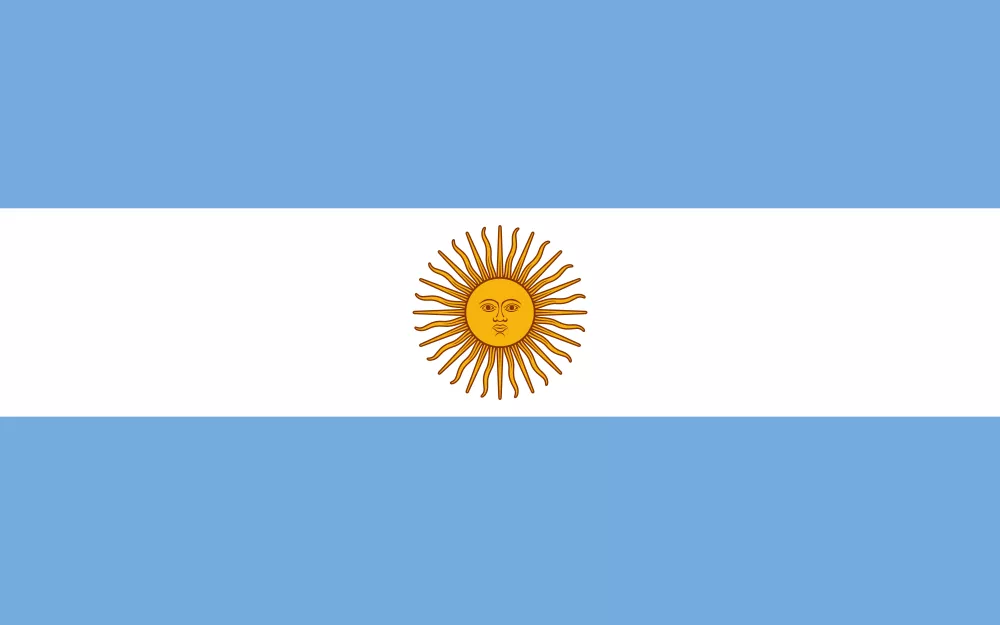 Argentina – The Defending Champions
Lionel Messi leads the Albiceleste into what is widely expected to be his final World Cup at age 39. The 2022 champions in Qatar are loaded with quality – Julián Álvarez, Rodrigo De Paul, Alexis Mac Allister – and they remain a force in Group J. But the emotional weight of Messi’s farewell, combined with a 30-month tournament gap, makes Argentina both exhilarating and precarious.
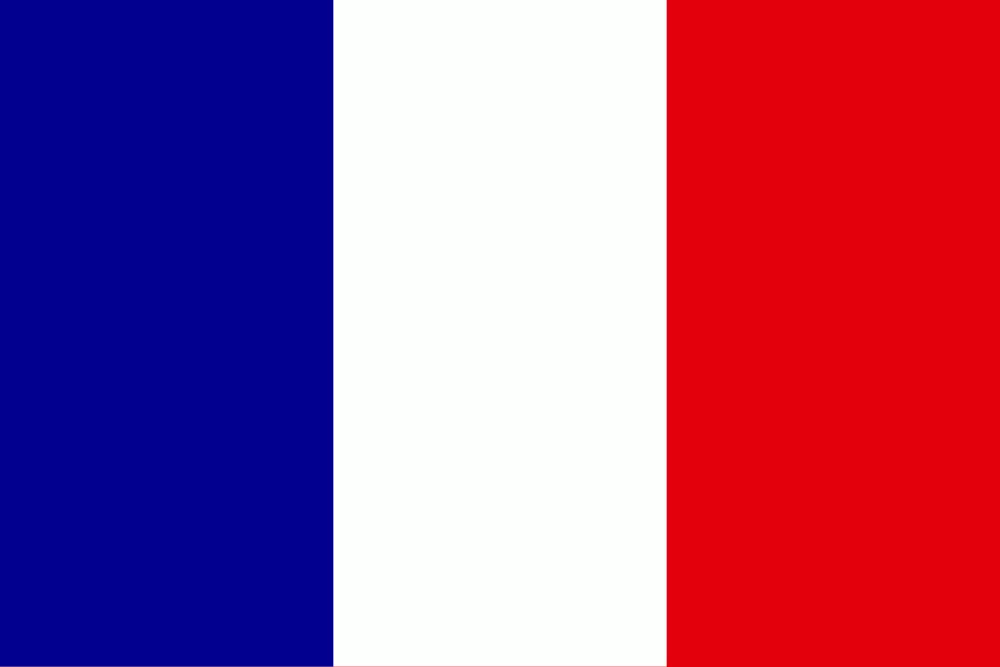 France – The Quiet Powerhouse
France have reached two of the last three World Cup finals (2018 winners, 2022 runners-up) and remain devastatingly deep in quality. Placed in Group I with Senegal, Iraq, and Norway, Didier Deschamps’ side – whoever leads the attack – boast world-class depth from goalkeeper to striker. Never bet against France in a major tournament.
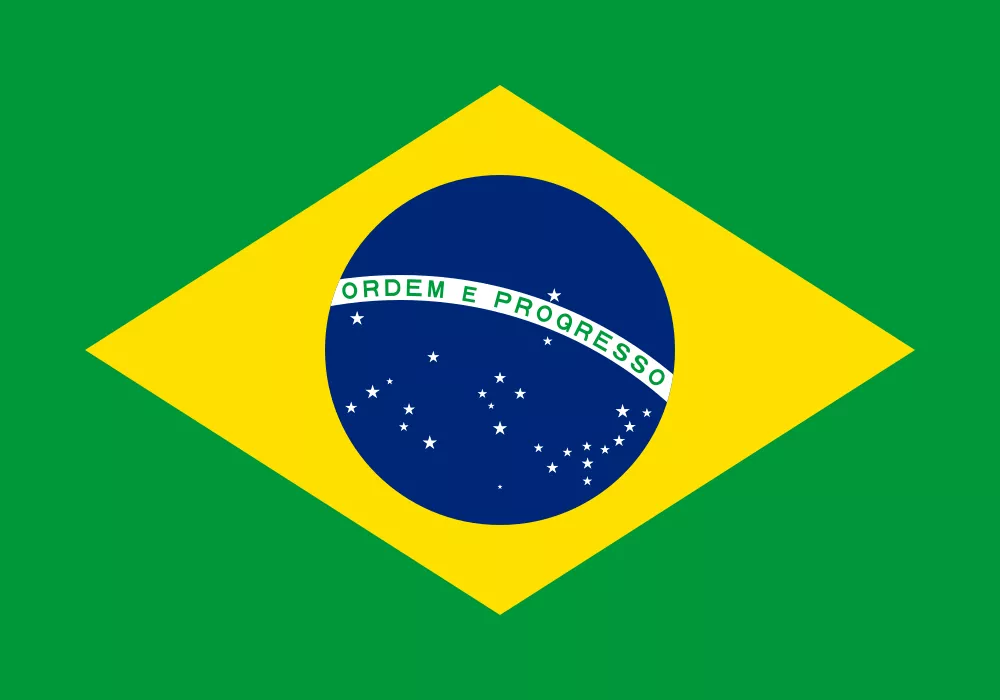 Brazil – The Seleção’s Redemption Story
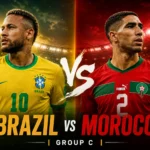
Brazil have not won a World Cup since 2002, their longest drought since the tournament began. The 2026 edition represents a chance to end that wait, with Vinicius Jr. at the peak of his powers and a supporting cast that includes Raphinha, Rodrygo (if selected), and the emerging Endrick. Group C offers a fierce opener against Morocco, but Brazil are expected to advance comfortably.
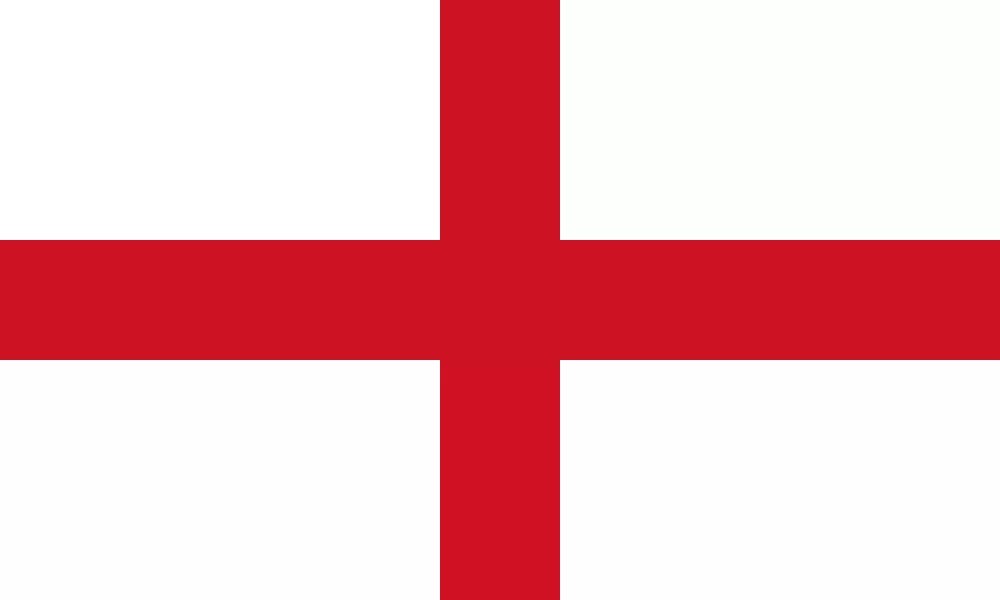 England – 60 Years and Counting
England’s last World Cup win was 1966. At some point, the next one has to come. With Jude Bellingham (22) operating at the peak of his powers, Harry Kane in the prime of his career, and Bukayo Saka providing relentless energy down the right, the Three Lions carry a genuinely formidable squad into Group L. Whether the psychological weight proves too much remains the eternal English question.
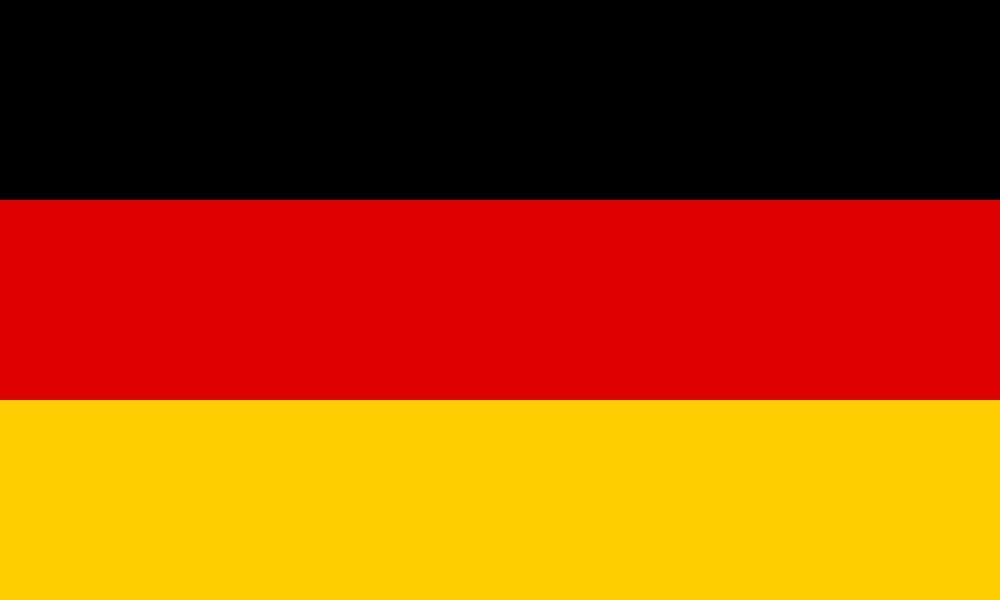 Germany – The Rebuilding Giants
Two consecutive group-stage exits (2018 and 2022) would humiliate any nation. For Germany, it sparked a rebuild. Julian Nagelsmann’s new generation – Jamal Musiala, Florian Wirtz, Kai Havertz – showed their potential as hosts of Euro 2024, reaching the quarterfinals before a painful exit. In Group E with Curaçao, Côte d’Ivoire, and Ecuador, Germany are built to advance deep. A dark-horse title contender.
6. Players to Watch in 2026
While Messi (Argentina) and Cristiano Ronaldo (Portugal) will both likely feature in what is expected to be their final World Cups, the 2026 edition belongs to the next generation. These are the five names you need to know:
- Lamine Yamal (Spain) – 18 years old, already a Euro winner. The tournament’s most exciting prospect.
- Jude Bellingham (England) – Champions League winner, Real Madrid’s engine. World Cup breakout is overdue.
- Vinicius Jr. (Brazil) – The planet’s most dangerous wide attacker when fully motivated.
- Erling Haaland (Norway) – Statistically the most prolific striker alive. Norway’s Group I campaign will be fascinating.
- Pedri (Spain) – The midfield brain of the tournament favourite. Quietly the most complete midfielder in the world.
7. How to Watch FIFA World Cup 2026
Coverage varies by territory, but here’s a global snapshot of major broadcasters:
Where to Watch FIFA World Cup 2026
| Region | Broadcaster(s) |
|---|---|
| United States | FOX, FS1 (English) / Telemundo, Universo (Spanish) / Peacock (streaming) |
| United Kingdom | BBC and ITV – all 104 matches available free-to-air |
| India & Subcontinent | JioHotstar (streaming) / Sports18 |
| Canada | CTV, TSN, RDS |
| Australia | Optus Sport, SBS |
| Global | FIFA+ (official streaming – selected matches) |
8. What Makes This Edition Historically Unique
- First World Cup with 48 teams – the largest field in the tournament’s 96-year history.
- First World Cup co-hosted by three nations.
- First World Cup to feature a Round of 32 as part of the knockout stage.
- First major tournament held across North American timezones, shifting global viewing hours.
- Likely the final World Cup for two of the greatest players ever – Messi and Ronaldo.
- The tournament’s final will be played at MetLife Stadium in New Jersey – the largest stadium in the United States.
The FIFA World Cup 2026 is not just the biggest edition of football’s greatest tournament – it’s a genuinely new kind of event. Three countries, 16 stadiums, 48 nations, 104 matches, and one trophy. The 39 days between June 11 and July 19 will produce moments that define generations, launch careers, and break hearts.
Planet Headline will be with you for every goal, every upset, and every twist. Bookmark this guide – it’s your home base for the tournament. And check back daily for match previews, player analysis, live reactions, and everything else that makes the World Cup the World Cup.