For decades, the Indian rental market was defined by the struggle to find “hustle-free” accommodation – a process often involving high security deposits, rigid lease terms, and the exhausting effort of furnishing and managing a home. In 2026, we are witnessing a permanent shift toward Professionalized Co-Living, a model that treats housing as a seamless service rather than just a physical asset.
The Evolution from “PG” to “Co-Living”
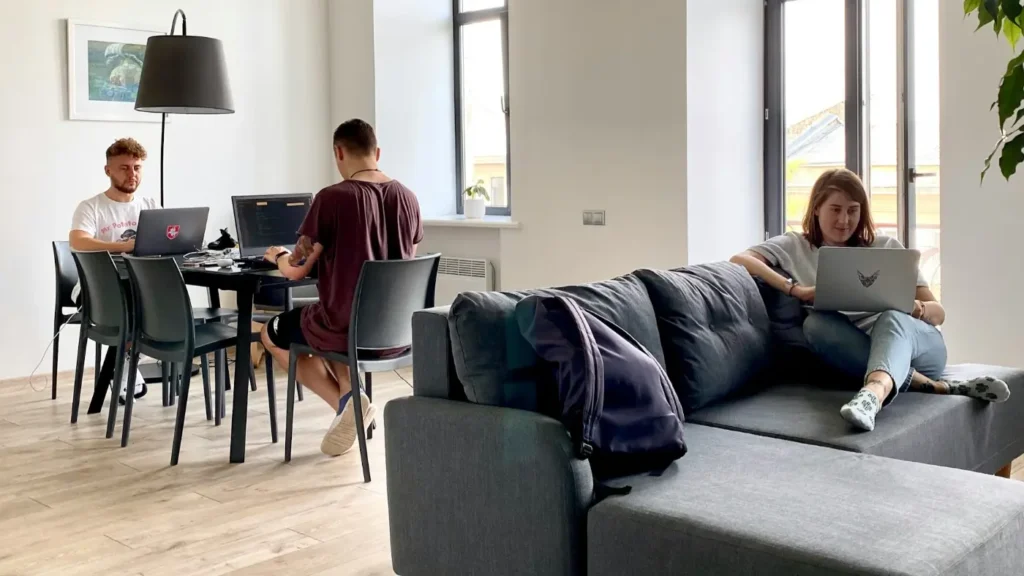
Co-living has shed its old image of basic, makeshift accommodations. Today’s organized co-living spaces in cities like Bengaluru, Pune, and Hyderabad are sophisticated lifestyle hubs. They are engineered for the modern professional, offering fully furnished rooms, high-speed internet, housekeeping, and social community areas within a single, all-inclusive monthly fee.
Why the Shift?
- Financial Simplicity: Residents pay one bundled fee that includes rent, utilities, Wi-Fi, and maintenance. This eliminates the uncertainty of varying monthly bills.
- Flexible Leases: Traditional landlords often demand long lock-in periods. Co-living operators, recognizing the mobile nature of the modern workforce, offer flexible, short-term lease options.
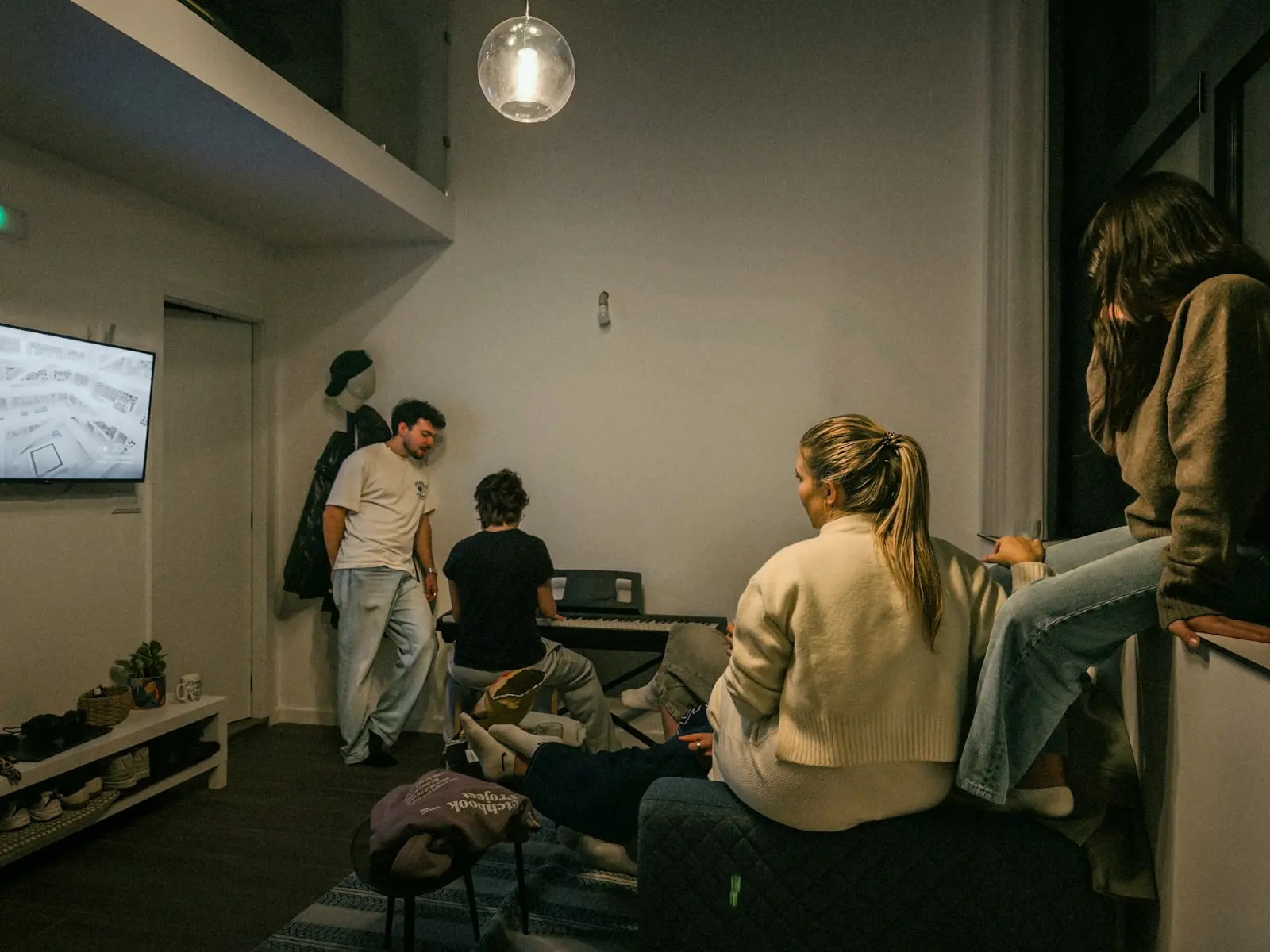
- Community Integration: In a world where urban isolation is a growing concern, co-living operators bake “community” into the design, providing common lounges, gaming rooms, and networking events.
Where is the Growth?
Growth is concentrated in “Employment Corridors” – areas near major IT parks and business hubs where young professionals move in large numbers. As property prices in city centers continue to climb, co-living provides an accessible entry point to premium neighborhoods that would otherwise be unaffordable for many individuals.
The Future: Tech-Enabled Living
The co-living experience of 2026 is deeply tech-enabled. Resident apps allow individuals to pay rent, lodge maintenance requests, book community events, and even control smart locks – all with a few taps. By leveraging these tech interfaces, operators are collecting data on resident preferences, allowing them to constantly iterate on the facilities provided. Co-living is no longer just a “temporary solution”; it has become a long-term lifestyle choice for those who value experience, flexibility, and a hassle-free urban life.