
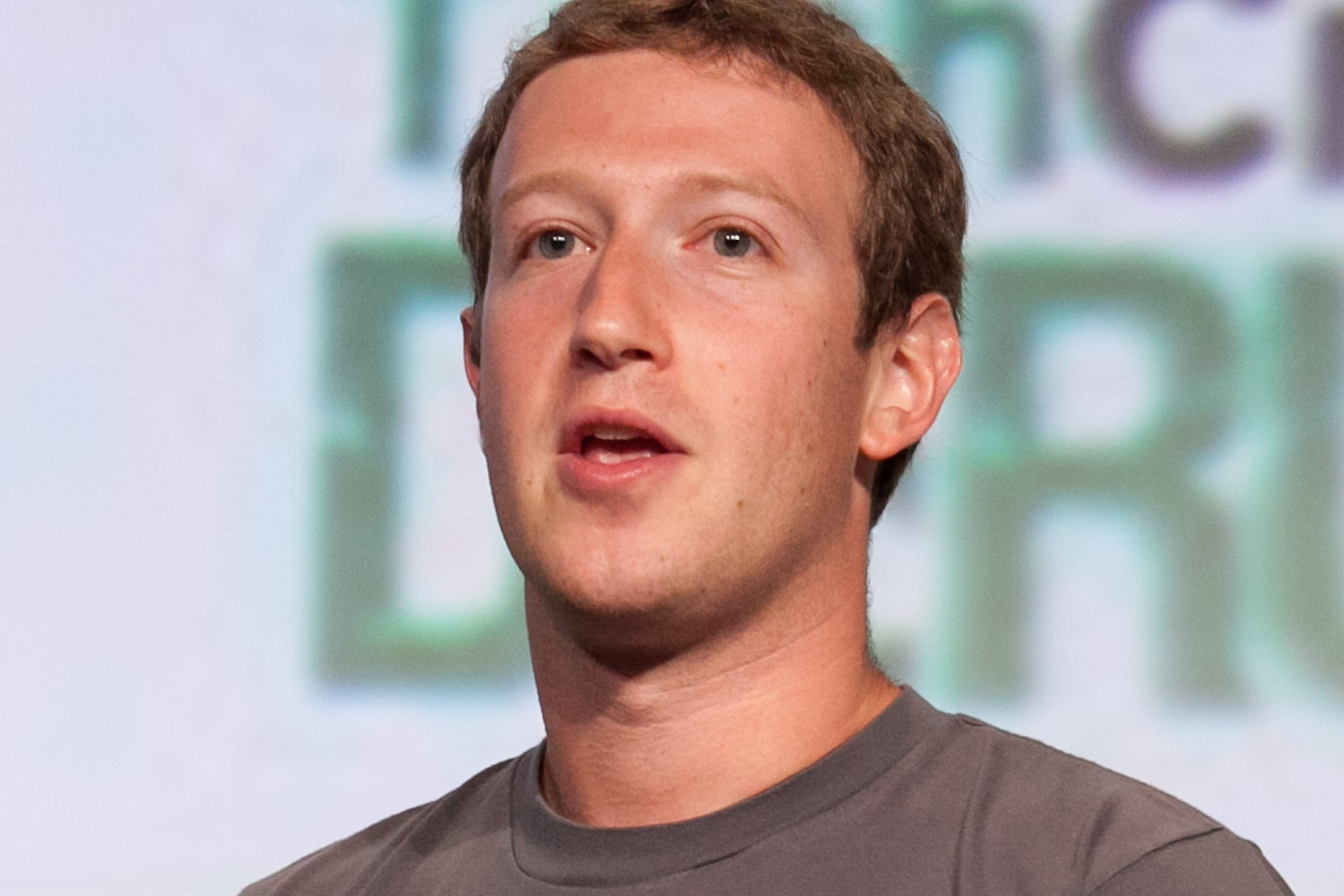
The global tech landscape is witnessing a pivotal moment of reckoning. Mark Zuckerberg, the billionaire founder and CEO of Meta Platforms Inc., finds himself at the center of an escalating international storm over content moderation failures, generative artificial intelligence (AI) deepfakes, and the proliferation of Child Sexual Abuse Material (CSAM) across Facebook, Instagram, and WhatsApp.
From high-profile US Senate Judiciary Committee hearings in Washington to stern parliamentary ultimatums issued in New Delhi, regulatory bodies and lawmakers worldwide are demanding direct personal accountability from Mark Zuckerberg. As governments threaten to strip social media platforms of their historic “safe harbour” legal immunities, Meta is scrambling to overhaul its automated algorithms, bolster child safety mechanisms, and address deepfake risks that threaten democratic processes and public trust.
The Global Crisis: From Congressional Hearings to Parliamentary Demands
The controversy surrounding Mark Zuckerberg and Meta’s safety protocols has intensified over two parallel fronts: global child safety enforcement and algorithmic governance of political and generative AI content.
1. The US Senate Confrontation
In Washington, Mark Zuckerberg faced emotional, high-stakes questioning before the US Senate Judiciary Committee alongside tech leaders from TikTok, Snap, X, and Discord. Surrounded by bereaved parents holding photographs of children harmed by online exploitation, cyberbullying, and algorithmic grooming, Zuckerberg turned to the gallery and offered a direct public statement of regret:
“I’m sorry for everything you’ve all been through. No one should have to go through the things that your families have suffered, and this is why we invest so much and we are going to continue doing industry-wide efforts to make sure no one has to go through the things your families have suffered.”
– Mark Zuckerberg, CEO of Meta
Despite the public apology, lawmakers and child advocacy groups criticized tech giants for prioritizing engagement metrics over safety-by-design principles, calling for federal legislative overhauls to hold platform executives personally liable for child safety breaches.
India’s Parliamentary Panel Issues 3-Day Ultimatums over Safe Harbour
The pressure on Mark Zuckerberg reached a boiling point in August 2026, when India’s Parliamentary Standing Committee on Communications and Information Technology, chaired by MP Nishikant Dubey, summoned senior Meta representatives to New Delhi.
The three-hour marathon hearing addressed two interrelated crises: the brief, automated removal of Prime Minister Narendra Modi’s Facebook video regarding exam leak reforms, and Meta’s inability to proactively eradicate CSAM, deepfake financial scams, and cyber fraud from its ecosystem.
| PARLIAMENTARY PANEL DEMANDS ON META (AUGUST 2026) | |
|---|---|
| DEMAND 1: PERSONAL APOLOGY | Mark Zuckerberg must issue a formal, unqualified apology for algorithmic errors. |
| DEMAND 2: CSAM CLAMPDOWN | Immediate removal of child abuse material and deepfake investment scams. |
| LEGAL CONSEQUENCE | Withdrawal of “Safe Harbour” protection under Section 79 of the IT Act. |
The parliamentary committee delivered an ultimatum: Mark Zuckerberg must tender a formal, unqualified apology to the nation, or Meta risks losing its statutory protection under Section 79 of the Information Technology Act.
Under Indian law, Section 79 grants social media intermediaries immunity from criminal prosecution for third-party content hosted on their platforms. Revoking this safe harbour shield would expose Meta executive leadership to direct civil and criminal liability for illegal content posted by users.
The Dual Threat: Deepfakes and Child Sexual Abuse Material (CSAM)
As artificial intelligence tools become democratized, the convergence of AI deepfakes and child safety risks has presented tech platforms with unprecedented operational challenges.
| Risk Category | Nature of Threat | Meta Platform Impact | Proposed Technical Safeguards |
| Child Abuse Content (CSAM) | Automated distribution & grooming rings | Facebook, Instagram & WhatsApp groups | PhotoDNA hashing, AI text analysis, end-to-end encryption audits |
| Generative AI Deepfakes | Hyper-realistic synthetic video/audio | Facebook Reels & Instagram Feeds | C2PA digital watermarking, mandatory AI tags, swift takedown APIs |
| Algorithmic Bias / Errors | Inadvertent takedowns of verified posts | Official government communications | Multi-layer human-in-the-loop review for high-profile accounts |
| Financial Cyber Fraud | AI voice cloning & fake investment ads | Sponsored feeds & messaging apps | Strict advertiser KYC, real-time banking fraud API integration |
1. AI-Generated Deepfakes and Electoral Misinformation
Generative AI tools allow bad actors to create convincing fake videos of political leaders, public figures, and ordinary citizens within minutes. Lawmakers expressed deep concern over the lack of dedicated, user-friendly options on Instagram and Facebook to report deceptive synthetic media. When algorithms inadvertently censor legitimate speeches by world leaders while permitting deceptive AI scams to circulate, public confidence in digital governance collapses.
2. CSAM and Platform Grooming Vulnerabilities
Independent investigations and legal filings by state attorneys general have alleged that recommendation algorithms on social networks can inadvertently connect bad actors. While Meta highlights its deployment of PhotoDNA and automated hashing tools to intercept illegal images before they spread, lawmakers argue that end-to-end encryption rollouts on messaging apps must not hamper law enforcement efforts to stop child exploitation.
Meta’s Strategic Response and Technical Overhauls
In response to global criticism and statutory threats, Meta has initiated several technical and operational policy updates under Mark Zuckerberg’s direction:
- Invisible AI Watermarking: Meta is integrating C2PA-compliant invisible metadata and visible “Made with AI” labels across all images and videos generated or uploaded to Facebook and Instagram.
- Teen Account Protection Standards: Instagram has rolled out stricter default privacy settings for teenage users, blocking direct messaging from unknown adults and restricting sensitive content exposure.
- Algorithmic Audit Trails: To prevent accidental takedowns of news and government communications, Meta is refining its automated safety filters and establishing dedicated human-review channels for fast-track appeals.
The Changing Paradigm of Executive Accountability
The intense scrutiny facing Mark Zuckerberg signals a fundamental shift in how Big Tech is regulated worldwide. Apologies and technical explanations are no longer sufficient for governments demanding absolute compliance, child protection, and transparent AI moderation.
Whether through legislative rollbacks of safe harbour protections or mandatory AI transparency laws, the message from global regulators is unequivocal: social media platforms must prioritize human safety and truth over engagement algorithms. The coming months will determine whether Meta’s technological overhauls can satisfy international lawmakers and restore public trust in the digital age.