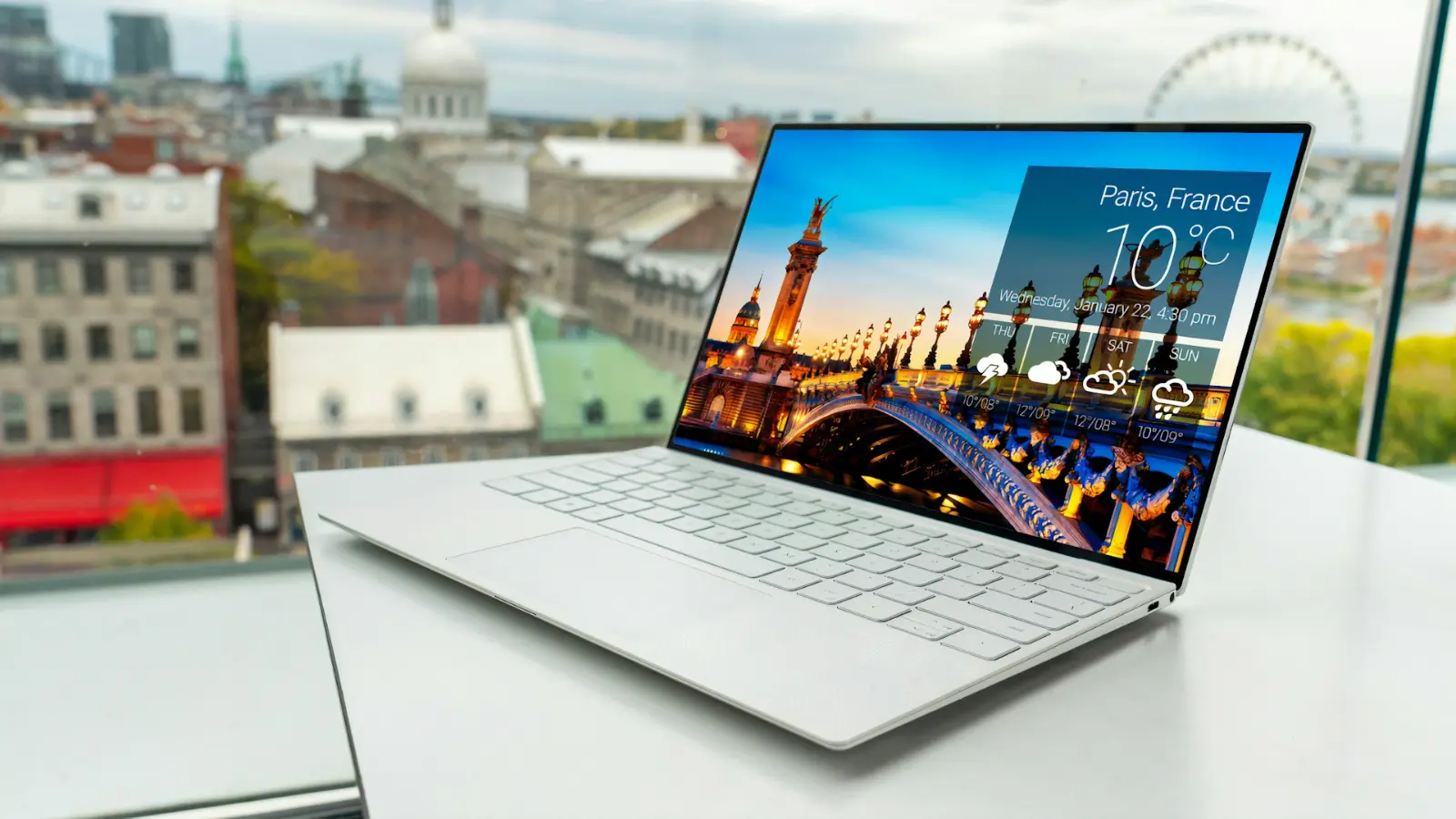
A high-end, sleek laptop on a clean desk
In 2026, the age-old dilemma of choosing between a heavy workstation and a portable toy has officially vanished. Advances in NPU (Neural Processing Unit) efficiency and ARM-based architecture mean that you can now fit the processing power of a high-end desktop into a device that weighs less than a notebook. However, power and portability still have different definitions depending on your workflow.
Defining Your Power Needs
Before shopping, you must identify what type of power you actually need.
- The Creative Professional: If your work involves 8K video editing or 3D rendering, power means GPU (Graphics Processing Unit) cores and thermal headroom. You need a chassis that can dissipate heat effectively, which usually necessitates a slightly thicker build.
- The Business Architect: If your work revolves around complex data modeling, AI-driven spreadsheet analysis, and multi-tab browser environments, power means RAM and NPU throughput. You can prioritize a thinner, lighter chassis without sacrificing performance.
The Portability Spectrum
Portability isn’t just about weight; it is about Bag-Life.
- The Ultra-Mobile (Under 1kg): Best for frequent travelers, consultants, and those who attend back-to-back in-person meetings. These devices often compromise on screen size and port availability.
- The Balanced Performer (1.2kg – 1.6kg): The Goldilocks zone for 2026. These laptops offer near-desktop levels of performance, excellent battery life (12+ hours), and enough ports to handle a standard professional setup without needing dongles.
- The Mobile Workstation (1.8kg+): Required only if your machine is your primary tool for professional-grade design or engineering.
Essential Specs to Demand in 2026
- 16GB RAM Minimum: With modern AI-driven apps (like local language models) running in the background, 8GB is no longer viable. Demand 16GB as your baseline.
- OLED/Micro-LED Displays: Do not settle for standard LCD screens. The contrast ratio and color accuracy of modern OLED displays are essential for reducing eye strain during long working hours.
- Integrated NPU: Ensure your processor has a dedicated AI-accelerator chip. This handles background tasks (like background noise suppression on calls and predictive text) without draining your main battery.
The best laptop in 2026 is the one that you don’t have to manage. It should be powerful enough that you never see a loading bar, and portable enough that you never think twice about bringing it along.