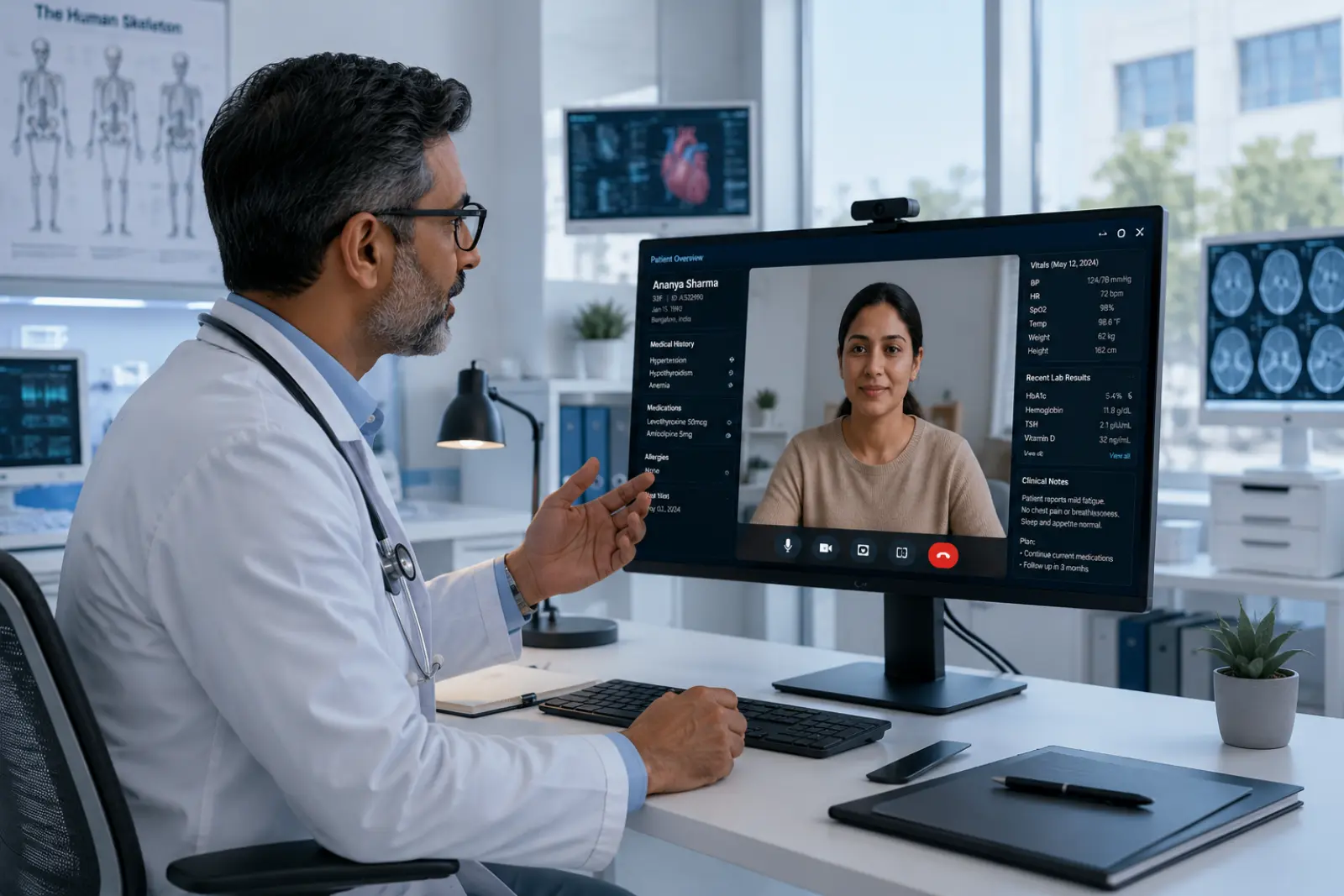
The future of healthcare in India is not just video calls. In 2026, we are entering the era of Telemedicine 2.0, where video consultation is just the top layer of a massive, AI-powered diagnostic and pharmacy network that brings the Big City Hospital to the smallest rural clinic.
From Video Call to Smart Triage
The primary challenge of telemedicine was that it often led to more questions than answers. Patients would describe symptoms, but without physical diagnostics, doctors were operating in the dark.
AI-powered Smart Triage has fixed this. Before a patient ever speaks to a doctor, they interact with an AI chatbot that:
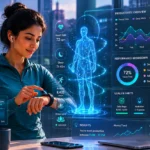
- Records initial vitals (via wearables).
- Asks specific, symptom-based follow-up questions.
- Summarizes the case into a structured report that the doctor can read in seconds.
This ensures that the doctor is fully prepared the moment they log in, allowing them to spend 100% of their time on diagnosis and treatment rather than data entry.
The Local Pharmacy as a Diagnostic Hub
The most innovative change in 2026 is the integration of local pharmacy networks into the telemedicine chain.
- Point-of-Care Diagnostics: You visit your local trusted pharmacy, where they have portable, AI-enabled diagnostic kits (e.g., blood pressure, pulse oximetry, or glucose testing).
- Seamless Data Sync: The diagnostic data is automatically uploaded to your Ayushman Bharat Digital Mission (ABDM) record.
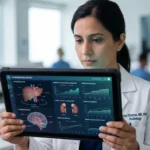
- Doctor Review: The specialist reviews the diagnostic data + the AI-summary and provides a digital prescription.
- Instant Fulfillment: The pharmacy prints the digital prescription and provides the medication instantly.
The Continuous Care Model
Telemedicine 2.0 is moving us from episodic care (seeing a doctor only when you are sick) to Continuous Care. By integrating wearable data – such as heart rate variability, sleep patterns, and physical activity – into your digital health record, doctors can now track your health trends over months.
If your wearable shows a strange dip in heart rate, the AI triggers an automated alert, and a specialist reviews your data before you even feel the symptoms. This transition from reactive to proactive care is the most significant leap in public health in decades, effectively turning every smartphone-equipped citizen into a patient with 24/7 access to the country’s best medical minds.