
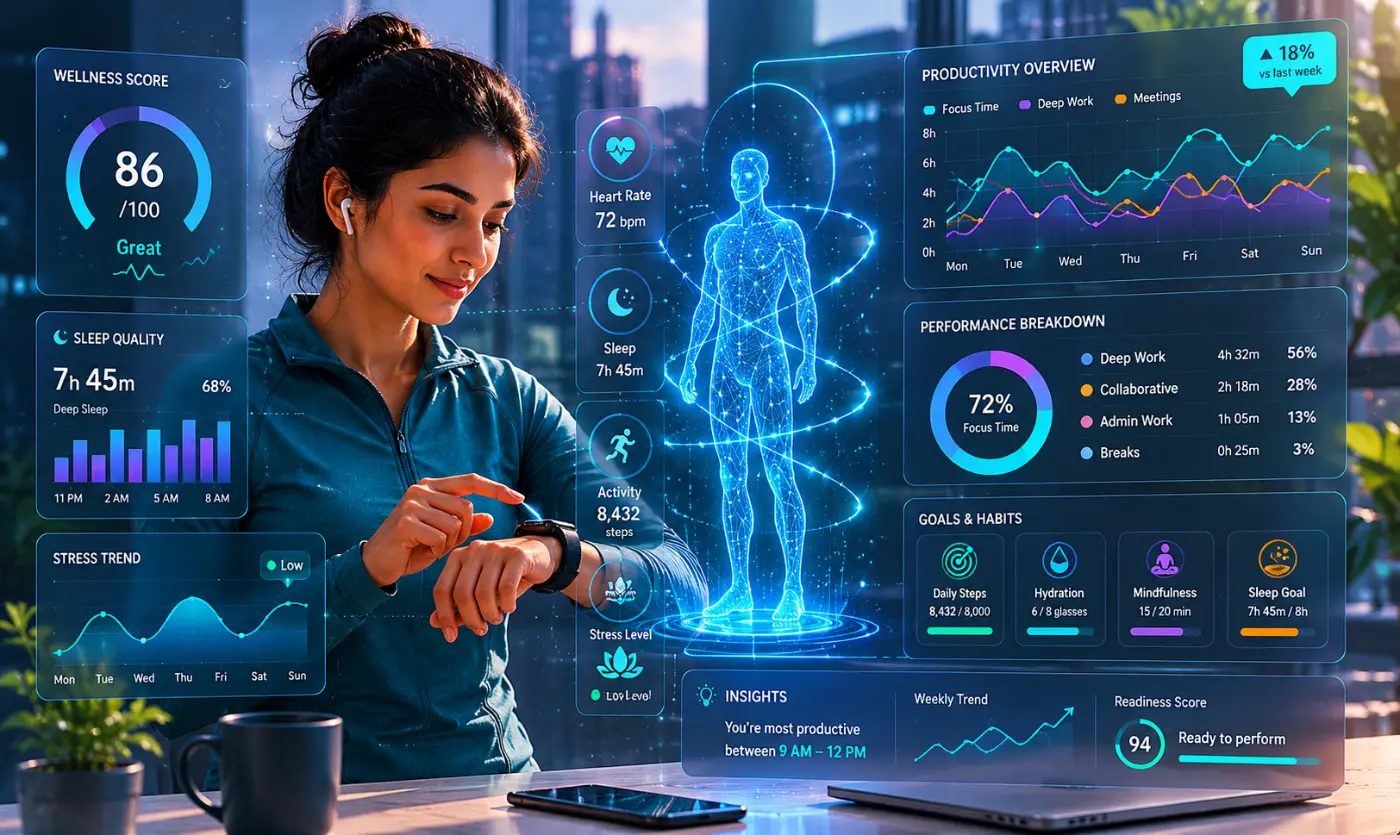
Bio-hacking – the practice of using science, technology, and self-experimentation to optimize one’s biology – has moved out of the niche corners of Silicon Valley and into the mainstream wellness market in 2026. At its core, bio-hacking is about moving from “reactive” health (fixing problems after they arise) to “proactive” optimization (improving baseline physical and mental function).
The Data-First Approach
The foundation of modern bio-hacking is data. Thanks to the proliferation of sophisticated wearable technology, individuals now have constant access to biological metrics that were previously only available in a clinical setting.
- Continuous Glucose Monitoring (CGM): Originally for diabetic patients, non-diabetic bio-hackers now wear CGMs to identify how specific foods, sleep patterns, and stress levels affect their glucose stability, allowing them to optimize their diets for sustained energy throughout the day.
- Heart Rate Variability (HRV) Tracking: By monitoring HRV, users can determine when their nervous system is recovering from physical strain and when it is overloaded, allowing them to precisely calibrate their daily intensity of work and exercise.
Performance Optimization Strategies
Beyond monitoring, 2026 has seen a surge in accessible, science-backed performance techniques:
- Circadian Optimization: Aligning light exposure (morning blue-light, evening amber-light) with the body’s internal clock to drastically improve sleep quality and morning cognitive performance.
- Smart Supplementation: Moving away from generic vitamins, bio-hackers use personalized blood-panel data to supplement precisely what they are deficient in, such as specific magnesium forms for recovery or adaptogens like Ashwagandha to manage cortisol.
- Thermal Training: The widespread adoption of cold-plunging and infrared sauna cycling is being used to induce “hormetic stress” – a short-term challenge to the body that triggers long-term anti-inflammatory responses and increased metabolic efficiency.