
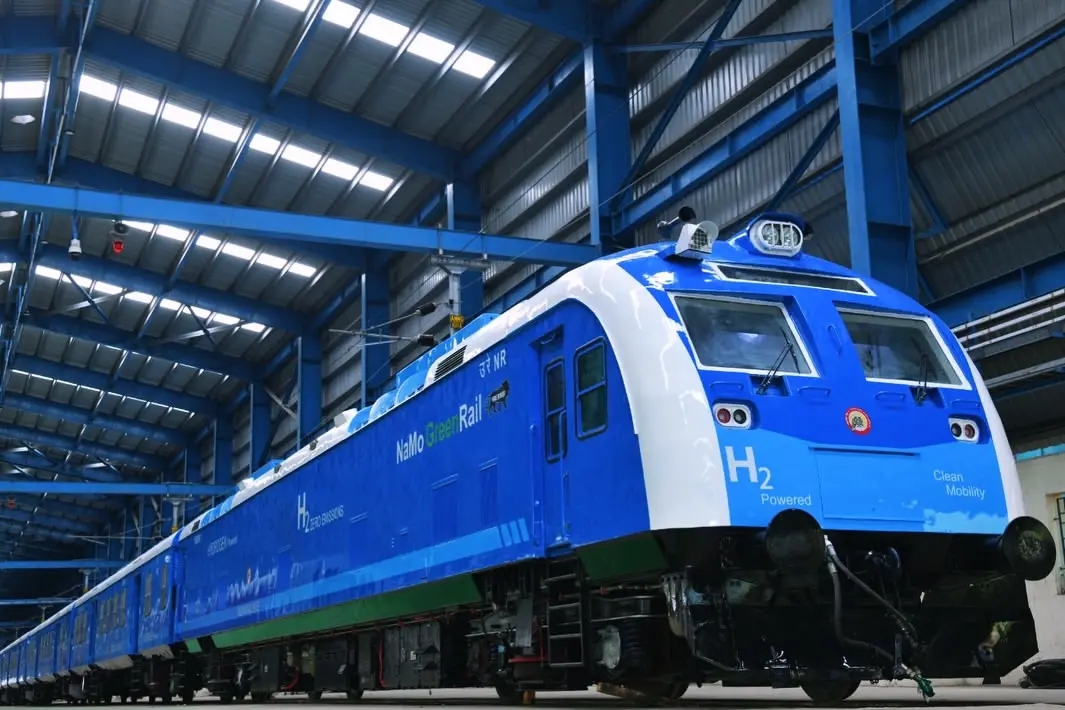
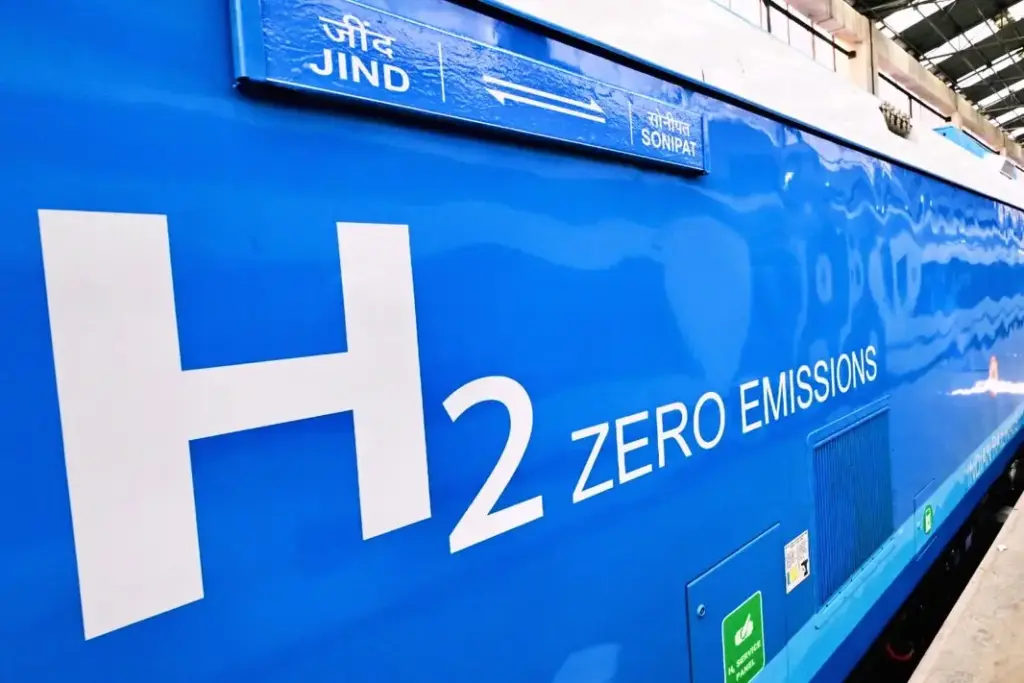
India’s journey toward zero-emission transportation achieved a historic breakthrough in sustainable engineering. Marking a pivotal milestone in green rail technology, the unveiling of India first hydrogen train Haryana took center stage as Prime Minister Narendra Modi flagged off the country’s inaugural hydrogen fuel-cell passenger train along the Jind-Sonipat route. The landmark launch formed the anchor of a major day-long development tour across Haryana, Chandigarh, and Punjab, where clean transit, modern healthcare, and high-speed regional connectivity projects valued at over ₹25,000 crore were officially inaugurated.
The deployment of India first hydrogen train Haryana positions the nation within a select global group of countries – including Germany, France, and China – that possess operational hydrogen-powered passenger rail networks. Designed entirely by Indian engineers in collaboration with leading domestic clean-energy research hubs, the indigenous hydrogen train generates its own electricity onboard through fuel cells, emitting only pure water vapor and warm air into the atmosphere. This technological leap provides a clean, noise-free, and sustainable alternative to traditional diesel locomotives on non-electrified branch routes.
Engineering the Future: How the Jind-Sonipat Hydrogen Line Operates
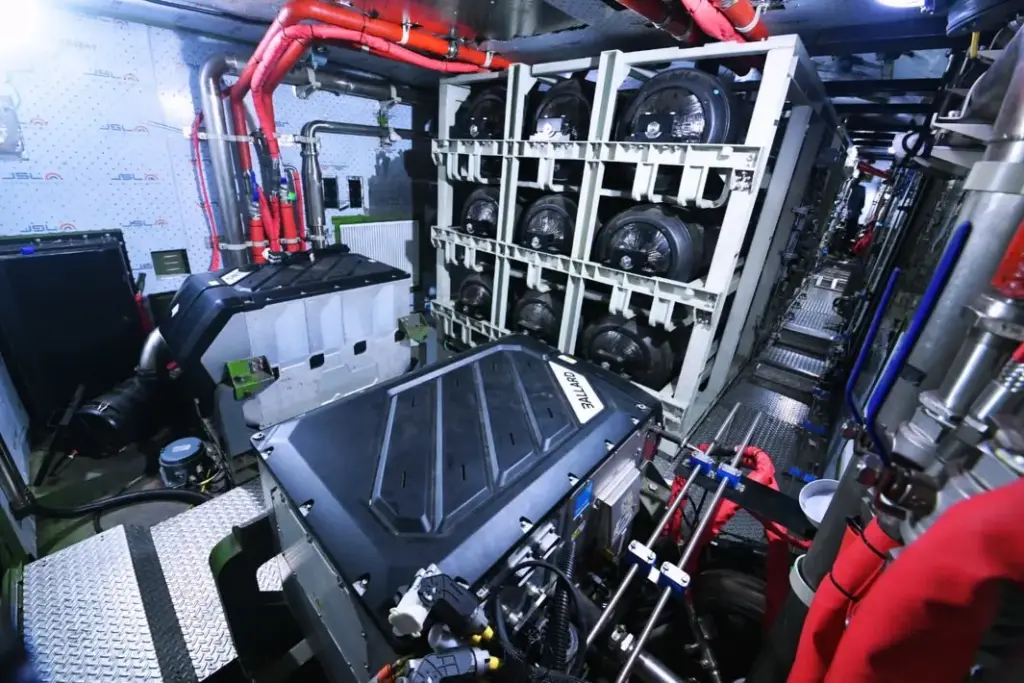
To understand the environmental and structural significance of India first hydrogen train Haryana, one must look at the advanced chemical and electrical engineering powering its propulsion systems. Traditional diesel trains burn fossil fuels, emitting significant amounts of carbon dioxide and particulate matter into rural corridors.
In contrast, the hydrogen fuel-cell train relies on an electrochemical process that combines compressed hydrogen gas stored in specialized roof-mounted tanks with ambient atmospheric oxygen:
- Zero-Carbon Footprint: The train emits zero carbon compounds, operating as a true zero-emission transit solution that directly supports Indian Railways’ overarching commitment to achieve net-zero carbon emissions by 2030.
- Custom Refueling Infrastructure: A dedicated, high-pressure green hydrogen refilling station has been established at Jind, equipped with automated safety protocols, rapid-dispensing nozzles, and storage facilities capable of supporting daily commercial round trips along the 89-kilometer Sonipat section.
- Silent and Smooth Operation: By eliminating heavy internal combustion engines, the hydrogen train reduces operational cabin noise by over 60%, offering passengers a whisper-quiet, smooth ride across Haryana’s agrarian heartland.
A Multi-Sectoral Infrastructure Push Across Northern India
The launch of India first hydrogen train in Haryana served as the crowning glory of a wider ₹25,000 crore infrastructure package designed to bolster economic growth across Haryana, Punjab, and Chandigarh. During his address at the ceremonial launch gathering, the Prime Minister emphasized that green technology must serve as the primary engine driving modern regional development.
Key projects unveiled alongside the hydrogen train include:
- Advanced Healthcare Hubs: Inauguration of super-specialty medical blocks and diagnostic laboratories aimed at expanding affordable tertiary healthcare across northern districts.
- Expanded Highway Corridors: Multi-lane bypass expressways engineered to divert heavy industrial freight traffic away from congested urban centers, reducing transit delays and localized vehicular pollution.
- Green Hydrogen Plant Integration: Foundations laid for dedicated solar-powered electrolysis units designed to produce “green hydrogen” locally, ensuring that the fuel driving the new train network is generated entirely through renewable energy sources.
Paving the Way for National Rollout
The successful commercial deployment of India first hydrogen train Haryana serves as the operational prototype for a broader national expansion. Indian Railways has already earmarked 35 heritage and scenic hill routes – including the Darjeeling Himalayan Railway, the Nilgiri Mountain Railway, and the Kalka-Shimla line – for eventual conversion to hydrogen power.
By replacing aging diesel engines with cutting-edge hydrogen fuel-cell technology without requiring costly overhead electrical wiring, the railway network is demonstrating how green innovation can preserve natural ecosystems while delivering modern, high-speed passenger comfort.