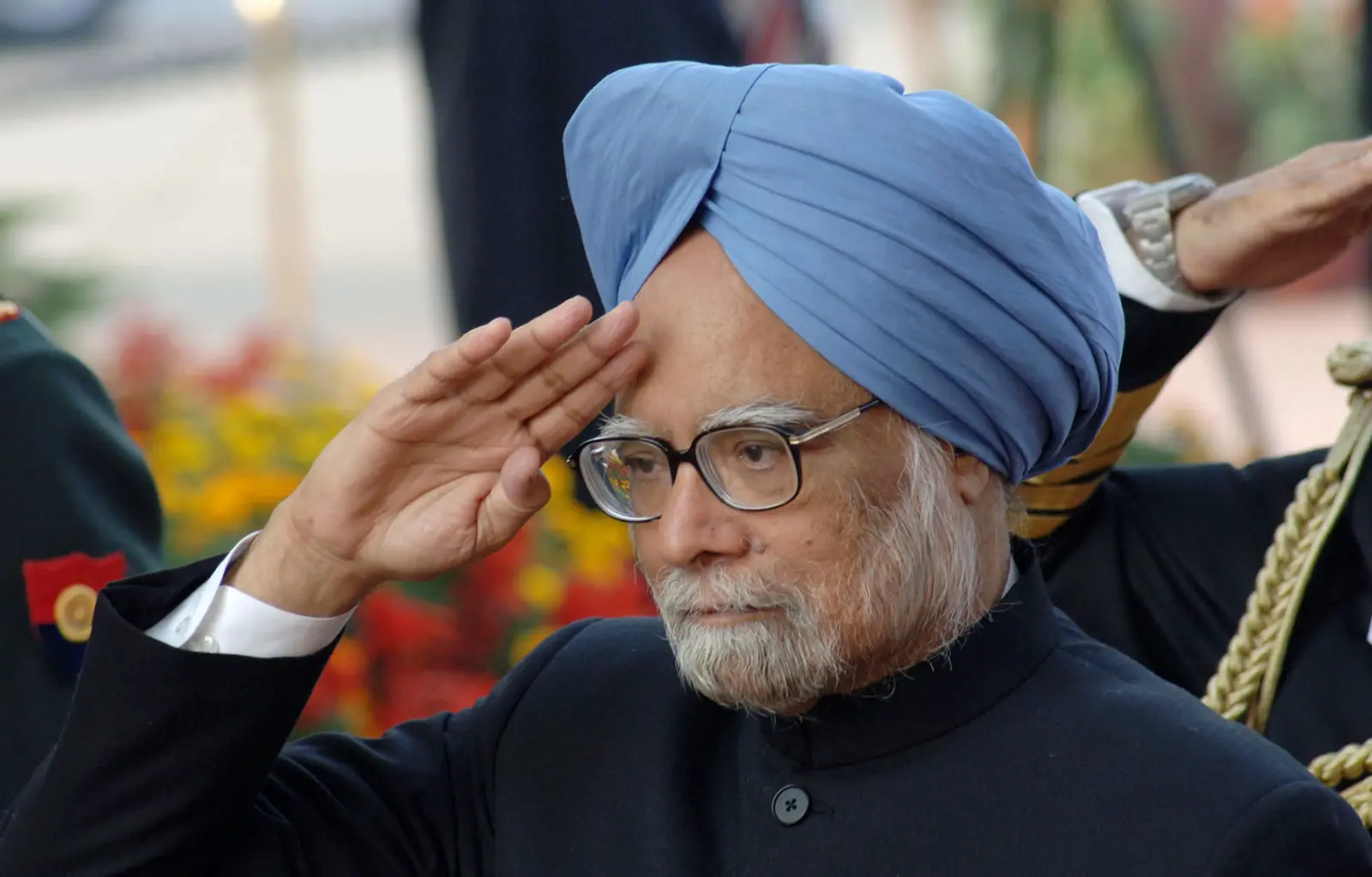
In a landmark decision that closes a decade-long legal saga, the Supreme Court of India officially set aside a 2015 Special CBI Court order that had summoned former Prime Minister Dr. Manmohan Singh and five others as accused in the Talabira-II coal block allocation case.
Pronouncing the verdict on July 28, 2026, a Supreme Court Bench observed that there was no prima facie material or evidence to suggest criminal intent, conspiracy, or abuse of official position by the former Prime Minister, who held charge of the Coal Ministry in 2005.
The ruling brings a definitive end to one of the most high-profile legal proceedings arising from the 2012 Coal Block Allocation controversy (popularly known as ‘Coalgate’), vindicating the distinguished economist and statesman’s administrative integrity.
Background: The 2015 Special CBI Court Order
The case pertains to the allocation of the Talabira-II coal block in Odisha in 2005 to Hindalco Industries. In March 2015, a Special CBI Court presided over by Judge Bharat Parashar rejected the CBI’s closure report and issued summons to Dr. Manmohan Singh, former Coal Secretary P.C. Parakh, industrialist Kumar Mangalam Birla, and three others, directing them to appear as accused under charges of criminal conspiracy and breach of trust.
Dr. Manmohan Singh immediately challenged the summoning order before the Supreme Court in April 2015, represented by senior advocate Kapil Sibal. The apex court granted an interim stay on the trial court’s proceedings, noting that administrative decisions taken by a Minister based on inter-ministerial recommendations do not automatically constitute criminal conduct unless dishonest intent is proven.
Key Observations Made by the Supreme Court Bench
In its final judgment clearing the former Prime Minister and co-petitioners, the Supreme Court highlighted vital principles governing administrative decision-making and criminal liability:
| SUPREME COURT BENCH RULING PRINCIPLES | |
|---|---|
| ABSENCE OF MENS REA | No evidence of dishonest intent or personal gain in approving committee findings. |
| POLICY DECISION MAKING | Discretionary executive decisions are not inherently criminal without conspiracy. |
| FINAL DISPOSAL | Summoning order quashed; criminal case against Dr. Manmohan Singh closed. |
- Lack of Mens Rea (Criminal Intent): The Bench noted that the decision to allocate the coal block was taken following multi-ministerial committee recommendations and state government representations (from the Odisha state government led by then-CM Naveen Patnaik). There was zero evidence showing personal gratification or fraudulent intent.
- Protection of Honest Decision-Making: The court emphasized that if every administrative approval given by a Minister is subjected to criminal prosecution without distinct proof of corruption, it would paralyze executive decision-making across civil service departments.
- Quashing of Proceedings: The court formally set aside the 2015 Special CBI Court order, closing all associated criminal proceedings against Dr. Manmohan Singh and co-petitioners.
Political Reactions Across the Spectrum
The verdict was welcomed warmly by leaders across political lines, who paid tribute to Dr. Manmohan Singh’s lifelong record of personal integrity and dedicated public service.
Senior Congress leader and Leader of Opposition Rahul Gandhi stated:
“The Supreme Court’s verdict is a resounding vindication of Dr. Manmohan Singh’s unblemished integrity, honesty, and selfless service to the nation. History has always known his truth, and today the highest court of the land has affirmed it conclusively.”
Legal scholars and constitutional experts noted that the judgment sets a healthy precedent in administrative law, clearly distinguishing between policy errors or political disagreements and actual criminal corruption.
Legacy of the Judgment for Public Governance
The Supreme Court’s decision provides much-needed clarity on the legal standards required to prosecute public servants and Cabinet Ministers. By establishing that honest policy choices recommended through official government channels cannot be criminalized ex-post-facto without hard proof of corruption, the verdict safeguards institutional governance while upholding the rule of law.