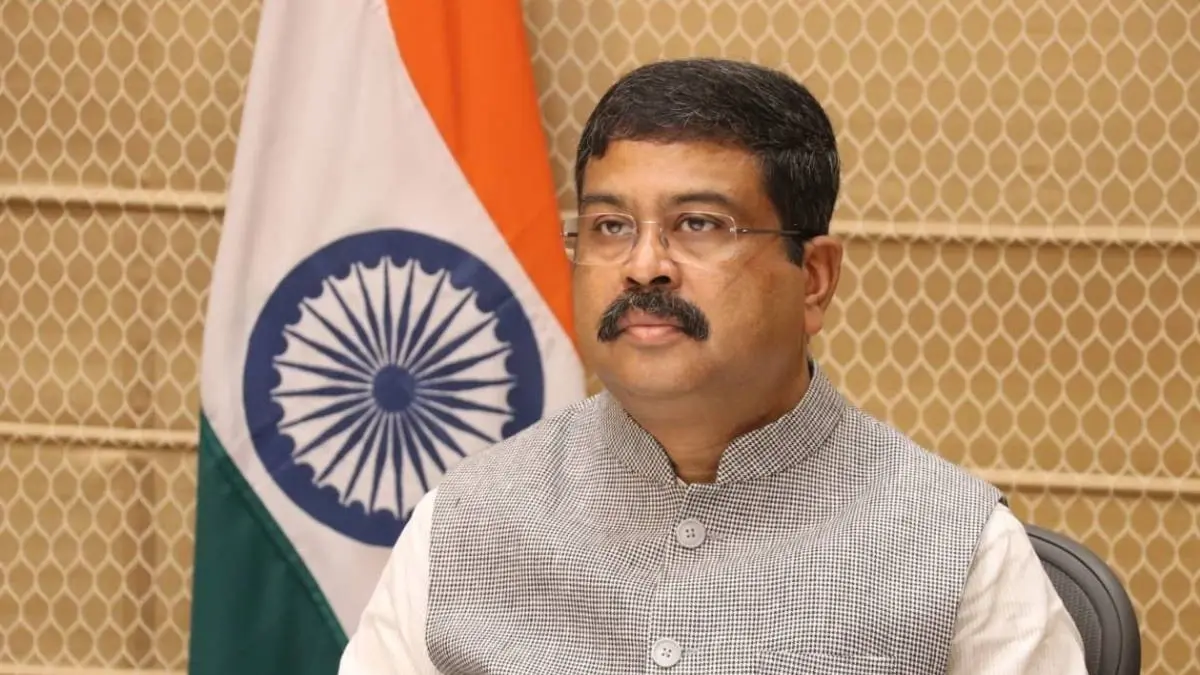
In a dramatic political development that marks one of the most significant ministerial departures in recent history, Dharmendra Pradhan announced his resignation as the Union Education Minister. The high-profile resignation was officially communicated via a post on social media platform X on July 25, 2026, following weeks of intense, youth-led nationwide demonstrations centered around paper leaks and systemic operational flaws during major public examinations.
The resignation comes as a culmination of a 36-day protest movement spearheaded at New Delhi’s historic Jantar Mantar and educational hubs across the country. Protesters demanded structural accountability, sweeping administrative overhauls in the National Testing Agency (NTA), and direct executive responsibility over paper leaks that affected millions of medical and competitive exam aspirants across the nation.
The Trigger: Paper Leaks and Systemic Public Exam Pressure
The political storm surrounding the Ministry of Education intensified over the past month following reported irregularities in the conduct of high-stakes competitive entrance examinations, including the NEET-UG 2026 and digital evaluation discrepancies within CBSE’s on-screen marking frameworks.
Aspirants and student welfare associations staged continuous sit-in demonstrations across major metro centers, demanding that political leadership acknowledge the immense psychological and financial toll exacted on young candidates when national examinations are compromised.
The movement gained momentum as prominent political leaders from Opposition benches met with student representatives in New Delhi, calling for an immediate structural reset of the national testing framework and the resignation of top ministry officials.
Protest Group Calls Off Demonstration Following Cabinet Assurance
Following the resignation announcement on Saturday afternoon, leaders of the protest movement held a joint press conference in New Delhi alongside senior Union Ministers.
Key agreements reached between the protesting representatives and Union government negotiators include:
- Withdrawal of Police Cases: The government assured that all First Information Reports (FIRs) filed against student demonstrators at protest sites across the country will be formally withdrawn.
- Honorary Compensation: The Union administration agreed to provide honorary financial assistance to the families of aspirants who suffered severe personal losses or mental health crises during the prolonged exam uncertainty.
- Formal Withdrawal of Strike: Representatives of the student protest movement announced an official end to the 36-day strike, clearing the Jantar Mantar demonstration zone while emphasizing that they will closely monitor upcoming legislative reforms.
Administrative Transition and Future Exam Oversight
The departure of Dharmendra Pradhan leaves a vital cabinet portfolio open at a moment when the central government is preparing to overhaul the legal parameters governing national competitive tests. The Prime Minister’s Office (PMO) is announced an interim charge to Pralhad Joshi, ahead of the upcoming parliamentary debate on public examination integrity.
The resignation underscores a growing imperative within Indian public policy: ensuring that administrative bodies managing high-stakes academic pathways operate with absolute transparency, technological security, and unyielding public trust.