
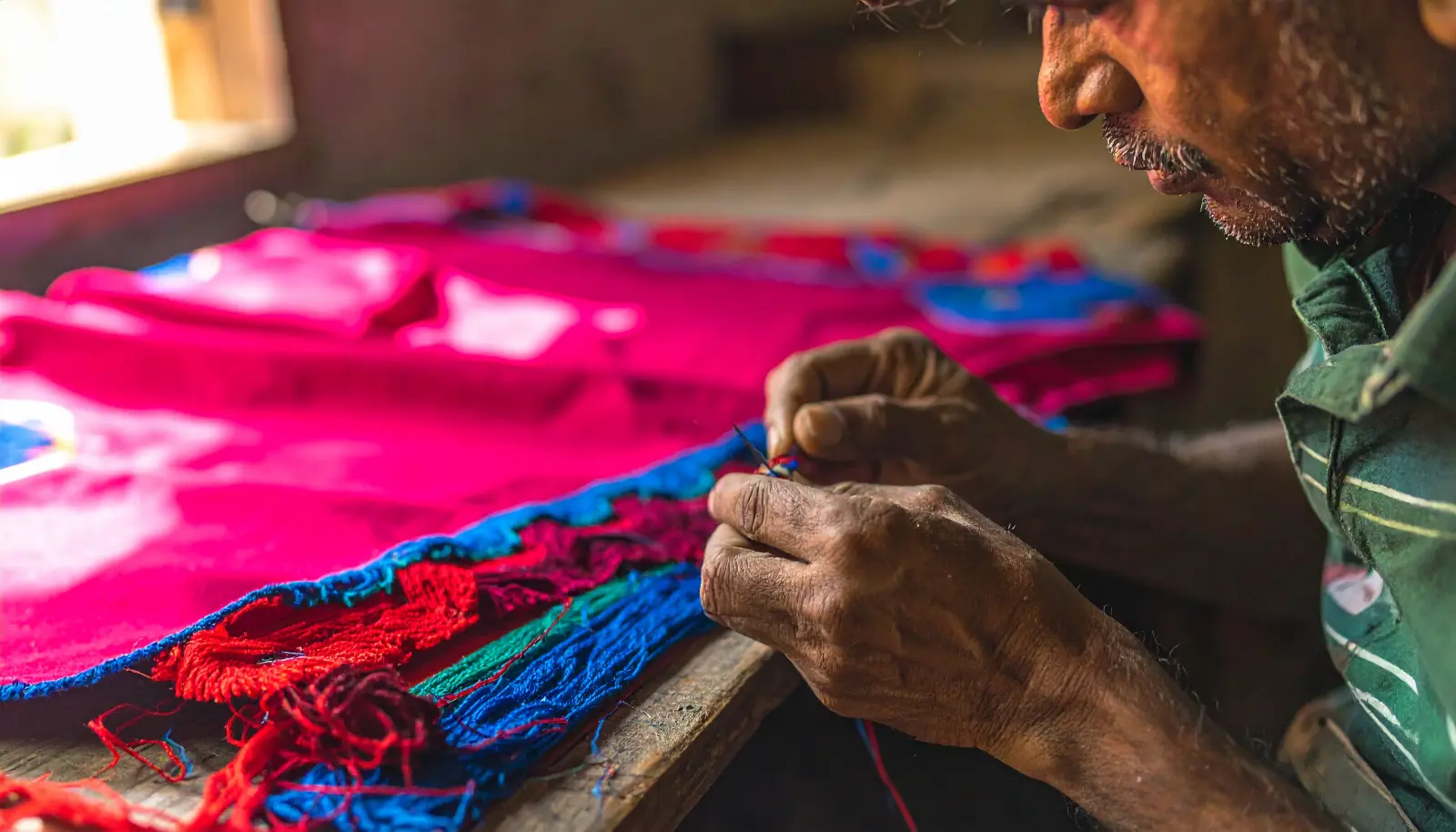
For centuries, India’s craft heritage – ranging from the intricate Phulkari embroidery of Punjab to the delicate Dabu printing of Rajasthan – was confined to regional markets. Today, that narrative has been transformed by a new wave of curated digital marketplaces. In 2026, e-commerce is doing more than just selling products; it is actively revitalizing traditional Indian art forms, turning them into sustainable businesses for rural artisans.
The Death of the Middleman
Traditionally, the artisan was the last person to benefit from their own labor. Between the creator in a village cluster and the final buyer in a city, a complex chain of middlemen absorbed the majority of the profit.
Curated e-commerce platforms have fundamentally bridged this gap. By sourcing products directly from artisans, these platforms ensure that:
- Fair Compensation: Artisans receive a significantly higher share of the retail price, often funding their children’s education or community infrastructure.
- Authenticity Assurance: Buyers receive a “Story-First” experience. Every piece comes with a narrative about the creator, their village, and the techniques used, satisfying the modern consumer’s demand for connection and authenticity.
Sustainability: The New Luxury
As the global fashion market moves away from fast fashion, the demand for sustainable, handmade goods has skyrocketed. Traditional Indian crafts align perfectly with this shift.
- Natural Methods: Most traditional Indian crafts utilize natural dyes, organic cotton, silk, and sustainable weaving techniques that have existed for centuries.
- Conscious Consumption: Consumers in markets like the US, UK, and UAE are increasingly choosing these items not just for their beauty, but because they represent a clear, ethical alternative to mass-produced, machine-made goods.
The Technological Leap for Rural Clusters
The transformation is not limited to the storefront; it is changing how the items are created.
- Digital Skill-Building: In hubs like Varanasi and Jaipur, artisan clusters are being trained in basic digital inventory management and smartphone product photography.
- Global Export Infrastructure: Platforms are standardizing the logistics of shipping delicate, handmade items from remote villages to the other side of the world, making Indian handicraft a truly global export.
The Challenges Ahead
Despite this growth, challenges remain. Navigating the logistics of delicate items from rural villages is still expensive. Furthermore, the constant challenge of “scaling” production while keeping the uniqueness of the craft intact requires careful design support and material sourcing.
The successful brands of 2026 are those that invest in the artisan as much as the art. By providing design feedback, quality control assistance, and fair pricing, these e-commerce leaders are ensuring that the rich legacy of Indian craftsmanship is not just surviving – it is thriving in the digital age.