
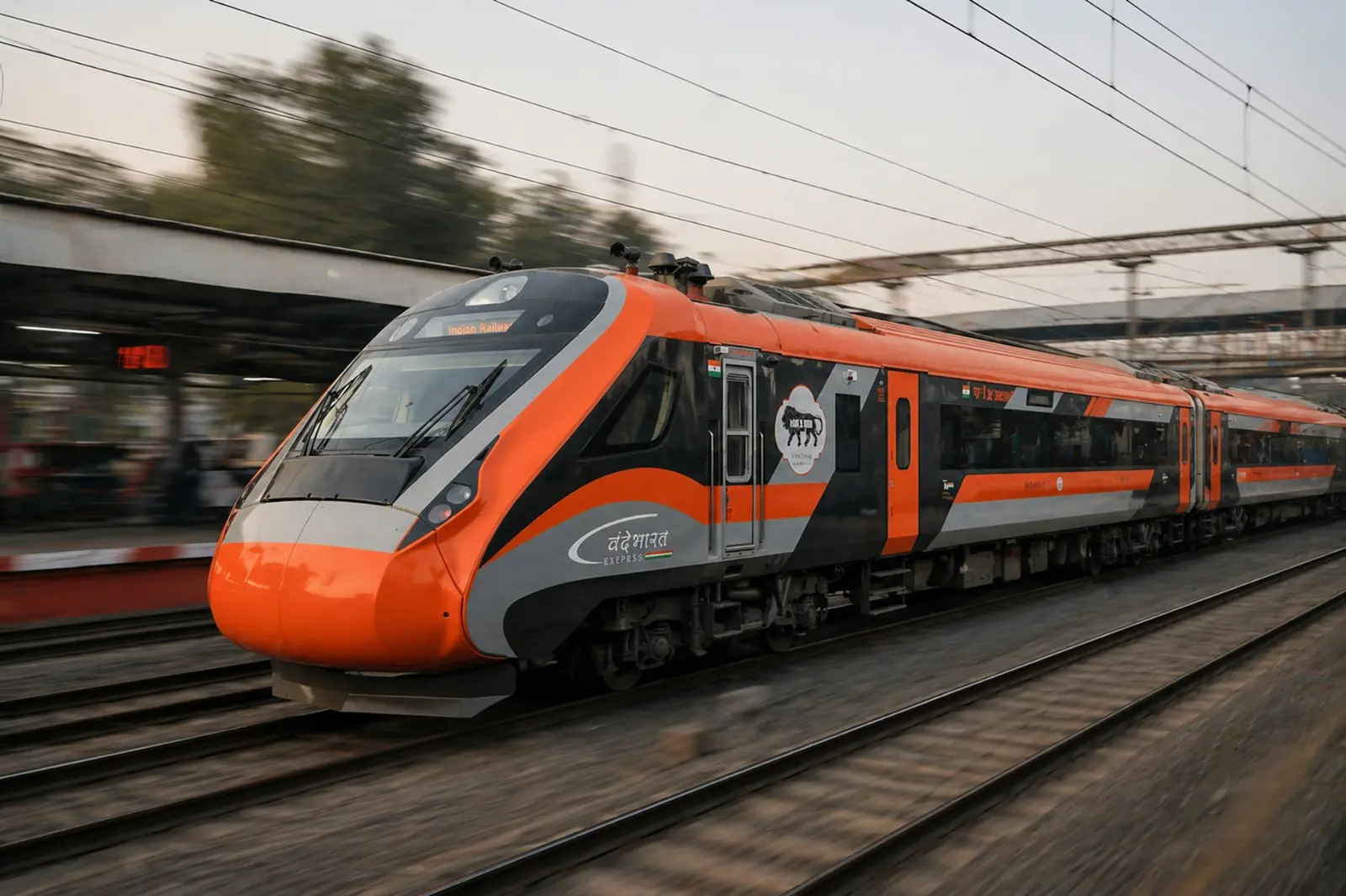
The Indian railway network is often described as the lifeblood of the nation’s economy, but in 2026, it is evolving into something far more dynamic. With a record capital expenditure and a strategic shift toward corridor-based development, Indian Railways is the primary engine behind India’s goal to lower logistics costs and integrate the country into a single, cohesive market.
The Corridor-Based Transformation
The most significant shift in railway policy over the last two years is the move away from incremental expansion to Corridor-Based Strategy. By prioritizing projects under the PM GatiShakti initiative, the government is ensuring that rail expansion is not just about laying tracks, but about creating economic corridors that connect manufacturing hubs to ports, airports, and urban consumption centers.
The Impact on Logistics Costs
High logistics costs have historically been a competitive disadvantage for Indian manufacturing.
- Dedicated Freight Corridors (DFCs): With the Eastern and Western DFCs nearing full utilization, transit times for freight have dropped by nearly 50%.
- Multimodal Integration: The new terminals are designed to allow seamless transfer between rail, road, and inland waterways, reducing the need for multiple hand-offs and lowering the risk of cargo damage.
Passenger Infrastructure and the Middle-Class Push
While freight pays the bills, passenger connectivity is where the social impact is felt. The proliferation of Vande Bharat services and the upcoming Amrit Bharat trains for long-distance, affordable travel are reshaping how the Indian middle class moves.
The Future: Modernization and Sustainability
Electrification is one of the most notable achievements of the 2026 roadmap, with nearly 99% of the network now electrified. This transition is not just an environmental move – it is an operational one. It reduces reliance on expensive fossil-fuel imports, lowers operational costs, and increases the speed at which trains can be turned around, significantly boosting total network capacity.
As the network approaches 70,000 route kilometers, the focus is turning toward Smart Railways – integrating real-time IoT sensors for track health monitoring, automated signaling (Kavach), and digital ticketing platforms that provide a world-class user experience. For a country as vast as India, the railway expansion is not just infrastructure; it is the ultimate tool for equitable, nationwide economic growth.