
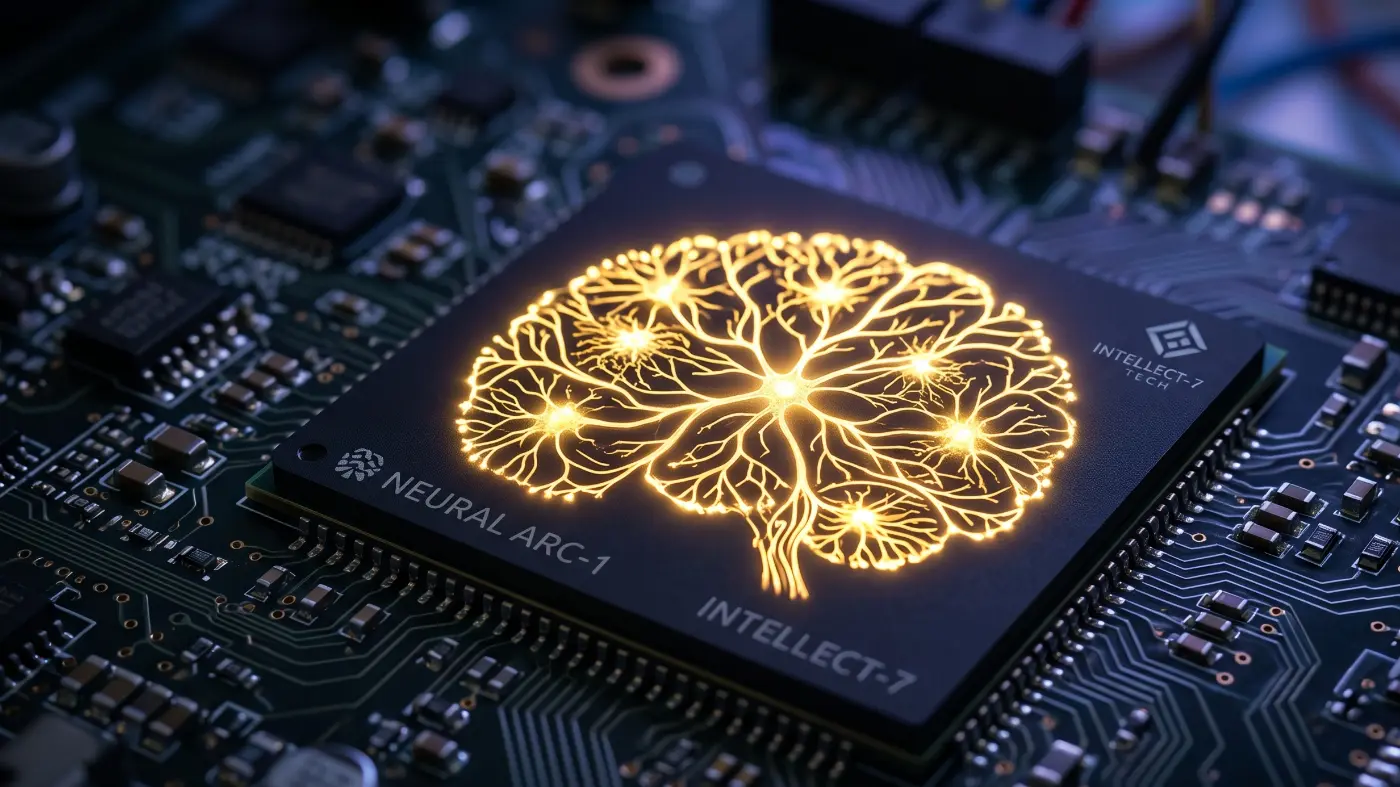
As Silicon Valley pushes the absolute limits of traditional silicon architecture, OpenAI, Google, and Nvidia are running into a massive physical barrier: power consumption. Training massive AI models requires data centers that consume as much electricity as small nations. The solution to this impending energy crisis lies in an entirely new paradigm of hardware: Neuromorphic Computing.
Moving Past the Von Neumann Bottleneck
Since the dawn of modern computers, devices have used the “Von Neumann architecture”, where a central processing unit (CPU) fetches data from a separate memory unit, processes it, and sends it back. This constant back-and-forth movement of data creates a bottleneck and wastes immense amounts of energy.
Neuromorphic chips throw this blueprint away. Instead, they mimic the structure of the human brain.
In a neuromorphic chip, processing and memory are co-located within artificial “neurons” and “synapses”, allowing the chip to process information in parallel, just like biology does.
The Mind-Blowing Efficiency of the Human Brain
The human brain can perform complex facial recognition, emotional analysis, and creative problem-solving simultaneously while consuming roughly 20 watts of power – barely enough to light a dim lightbulb. A traditional supercomputer doing the same tasks requires millions of watts. Neuromorphic chips aim to achieve this level of efficiency, operating on an “event-driven” basis, meaning individual artificial neurons only consume power when they fire in response to data.
Real-World Applications
- Edge AI: Smartphones and IoT devices will be able to run massive AI models locally without needing an internet connection or draining their batteries in minutes.
- Autonomous Robotics: Drones and self-driving cars will process complex environmental visuals with micro-millisecond latency, responding to hazards at biological speeds.
- Medical Implants: Ultra-low power brain-computer interfaces could process neural signals in real-time to assist patients with prosthetic limbs or neurological conditions.