
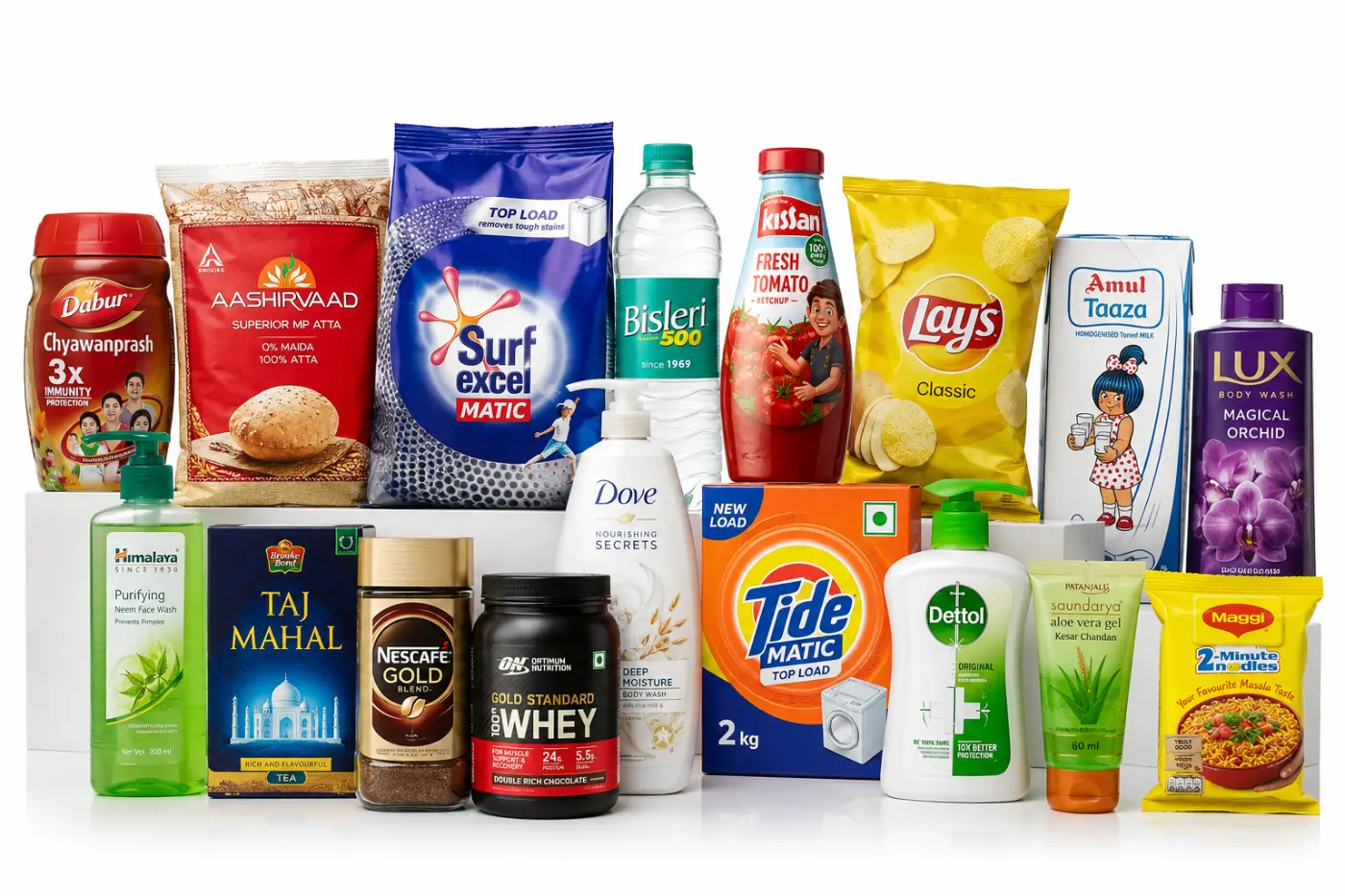
The Indian retail landscape is undergoing a structural revolution. For decades, the market was dominated by traditional, multi-layered distribution models where products passed through national distributors, regional wholesalers, and local retailers before ever reaching a consumer. Today, that hierarchy is being dismantled by the explosive growth of Direct-to-Consumer (D2C) brands.
Why the D2C Model is Winning in India
The shift to D2C is fueled by India’s massive digital penetration and a sophisticated, tech-enabled logistics backbone. By selling directly through their own websites and social media shops, D2C brands achieve three critical business advantages:
- Direct Data Ownership: In the traditional retail model, brands never know who their customer is. D2C brands own the entire customer relationship, allowing them to gather hyper-specific behavioral data, preferences, and feedback, which they use to iterate products at lightning speed.
- Margin Optimization: By removing regional distributors and middle-market wholesalers, brands can invest those recovered margins back into superior product ingredients or competitive pricing, creating a high-value proposition for the end-user.
- Hyper-Personalization: D2C brands don’t just sell products; they build communities. Founders interact directly with their base through social platforms, turning customers into brand evangelists who actively help shape future product lines.
The Next Phase: Scaling for Mass Adoption
While the “niche brand” phase of the D2C boom is maturing, 2026 marks the beginning of the “Scale-Up” phase. The most successful brands are now moving beyond their digital-only origins, launching “Experience Centers” in major malls, and partnering with premium grocery chains to gain the physical presence needed to capture the broader, semi-urban Indian market.