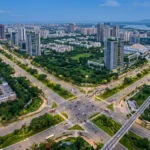
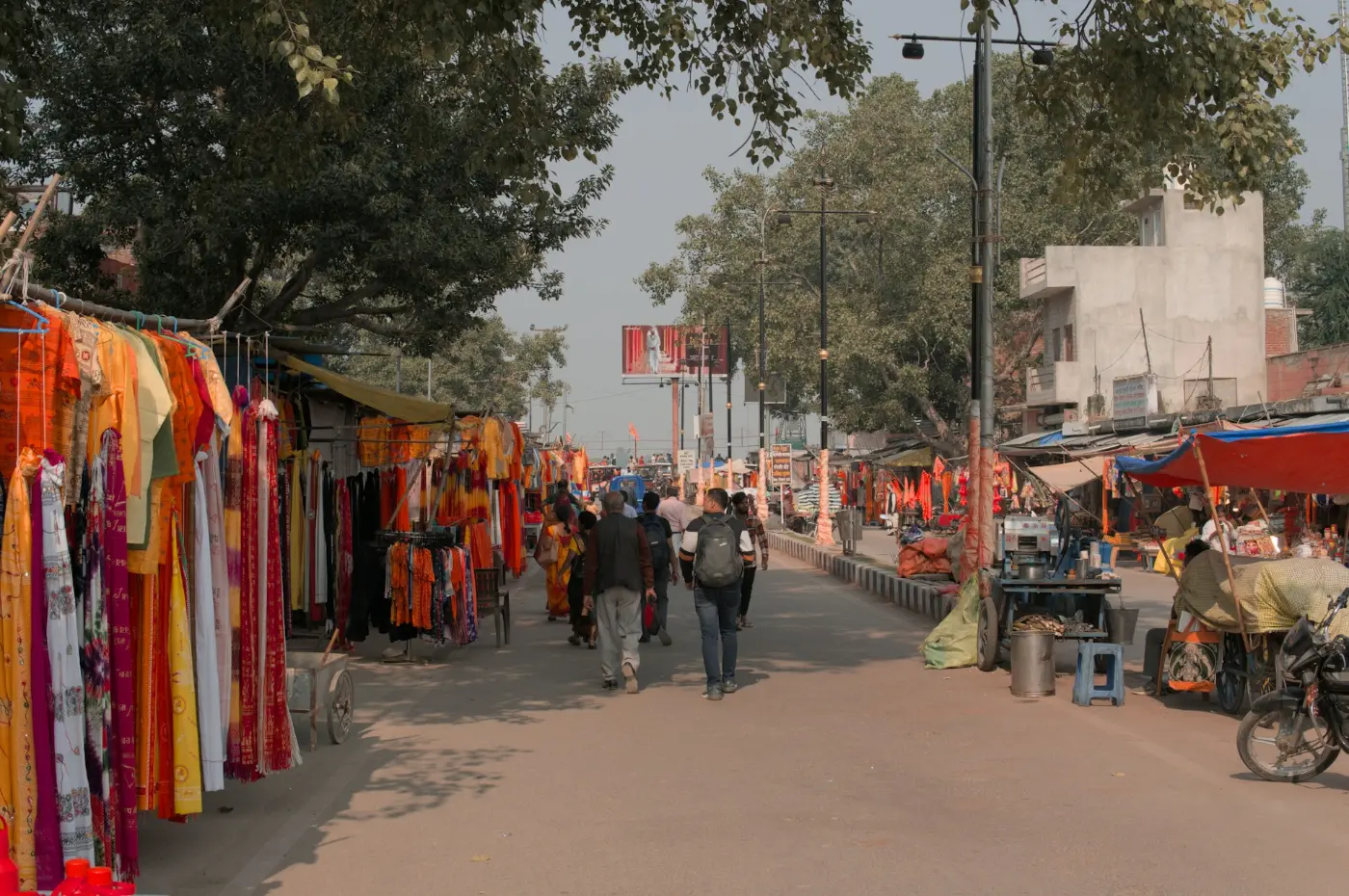
The Indian travel landscape is experiencing a fundamental shift. For years, the country’s tourism map was defined by a handful of massive Tier-1 hubs. Today, that map is being redrawn as the modern traveler abandons the crowded tourist hotspots of the past in favor of the culture, convenience, and authenticity found in India’s Tier-2 cities.
The Appeal of the “Hidden Gem”
Travelers in 2026 are prioritizing “Slow Travel” experiences over rapid, checklist-driven sightseeing. Tier-2 cities – such as Indore, Bhubaneswar, Nagpur, and Kochi – offer a compelling mix of modern infrastructure and deep-rooted heritage that Tier-1 metros have often lost to overcrowding.
- Authentic Heritage: Tier-2 cities retain a distinct cultural heartbeat. From the meticulously preserved architecture of Odisha’s temple towns to the culinary excellence of central Indian cities, travelers can experience a “real” India without navigating the overwhelming traffic and noise of larger capitals.
- Economic Ease: Modern travelers appreciate the ability to afford premium experiences for a fraction of the cost. Whether it is boutique heritage stays, artisanal food tours, or local private guides, Tier-2 cities provide luxury-tier hospitality at approachable prices.

Infrastructure as a Catalyst
The rise of these cities is no accident. Massive investments in regional connectivity – including new international airports, high-speed rail links, and vastly improved internet and digital payment networks (UPI) – have made these destinations as accessible as they are alluring. As digital nomad culture takes root in India, Tier-2 cities are becoming long-term “work-from-anywhere” destinations, attracting young professionals looking for a better quality of life.