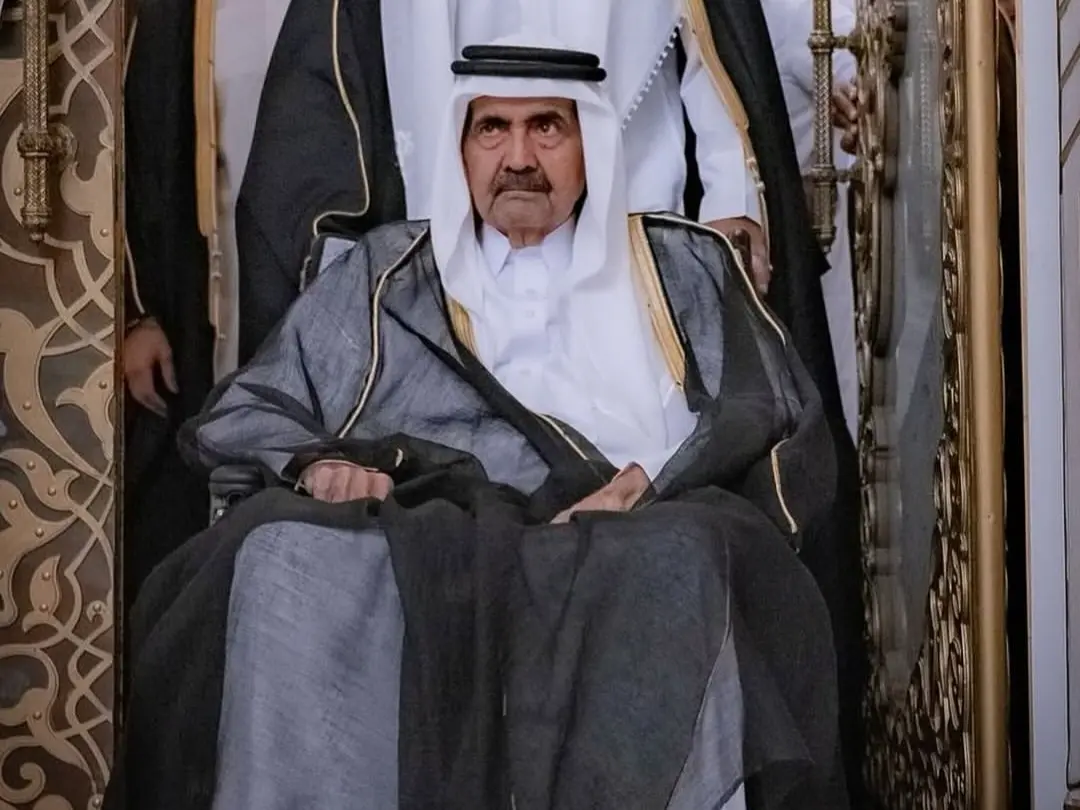
In a profound and symbolic manifestation of international respect and deep diplomatic ties with the Gulf region, the Union Government has issued a formal national decree today, July 13, 2026. The official Ministry of Home Affairs (MHA) circular has declared a full day of India state mourning Qatar Father Emir across the length and breadth of the country, honoring the memory of His Highness Sheikh Hamad bin Khalifa Al Thani, the beloved “Father Emir” of Qatar, who recently passed away at the age of 74.
Per the rigid institutional parameters governing state protocol, the Indian National Flag (Tricolour) is being flown at exactly half-mast on all public government buildings, military stations, and diplomatic missions overseas where it is routinely hoisted. Furthermore, the central administration has directed that all state-sponsored entertainment channels, official cultural galas, and high-profile ministerial celebratory receptions stand entirely suspended for the day, signaling the profound weight New Delhi places on its strategic alliance with the state of Qatar.
The Legacy of Sheikh Hamad: The Architect of Modern Qatar
To fully comprehend the background behind the India state mourning Qatar Father Emir declaration, one must look closely at how Sheikh Hamad bin Khalifa Al Thani completely transformed the geopolitical and economic trajectory of the Middle East during his transformative reign from 1995 to 2013. Widely regarded as the structural architect of modern Qatar, he successfully utilized the country’s massive natural gas reserves to build an international diplomatic powerhouse, establish global media institutions like Al Jazeera, and secure the historic hosting rights for massive international sports events.
More importantly, it was during his decades-long visionary leadership that the bilateral foundation between New Delhi and Doha transitioned into a deeply cooperative, modern strategic partnership. He championed the safety and economic integration of the massive Indian expatriate workforce in Qatar, while locking down long-term energy distribution corridors that continue to fuel India’s core industrial zones.
Strategic Timing and the West Asia Security Corridor
The issuance of the India state mourning Qatar Father Emir order arrives at an incredibly fluid and volatile juncture for international diplomacy. External Affairs Minister Dr. S. Jaishankar is currently in the middle of a high-profile, pre-scheduled multi-nation diplomatic tour across the Gulf and Europe – including critical stops across Qatar, Bahrain, Kuwait, and Oman from July 5 to July 15, 2026.
The synchronized declaration of national mourning inside India, happening while the country’s top diplomat coordinates regional security directly with the Amiri Diwan in Doha, sends an unmistakable message of shared values to the global community.
As geopolitical tensions rise across the Middle East following fresh military exchanges between the United States and Iran that have triggered air raid sirens inside neighboring Bahrain, maintaining absolute diplomatic stability with trusted energy suppliers like Qatar remains New Delhi’s absolute top priority.
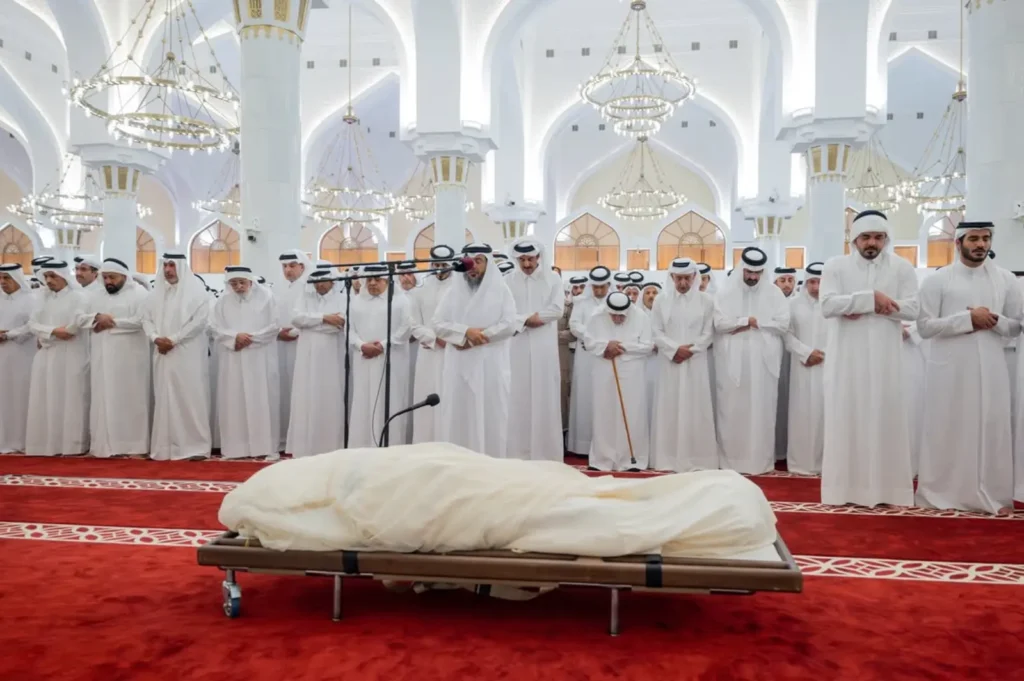
A Shared Future in the Indo-Pacific
The solemn observation of the India state mourning Qatar Father Emir protocol has drawn widespread appreciation from the non-resident Indian (NRI) community residing across the Gulf Cooperation Council (GCC) territories. Numbering over 800,000 individuals inside Qatar alone, the Indian diaspora forms the professional and manual backbone of the host nation’s primary economic sectors.
By showing this level of institutional respect to a departed global leader who consistently guarded the welfare of Indian workers, the Modi administration has reinforced an unyielding, decades-long bond of trust.
As official condolence books are formally signed at the Qatari Embassy in New Delhi by senior union ministers later today, the diplomatic architecture between the two nations stands thoroughly unified, ready to weather regional geopolitical storms through a shared commitment to mutual security, reliable energy trade, and deep mutual respect.