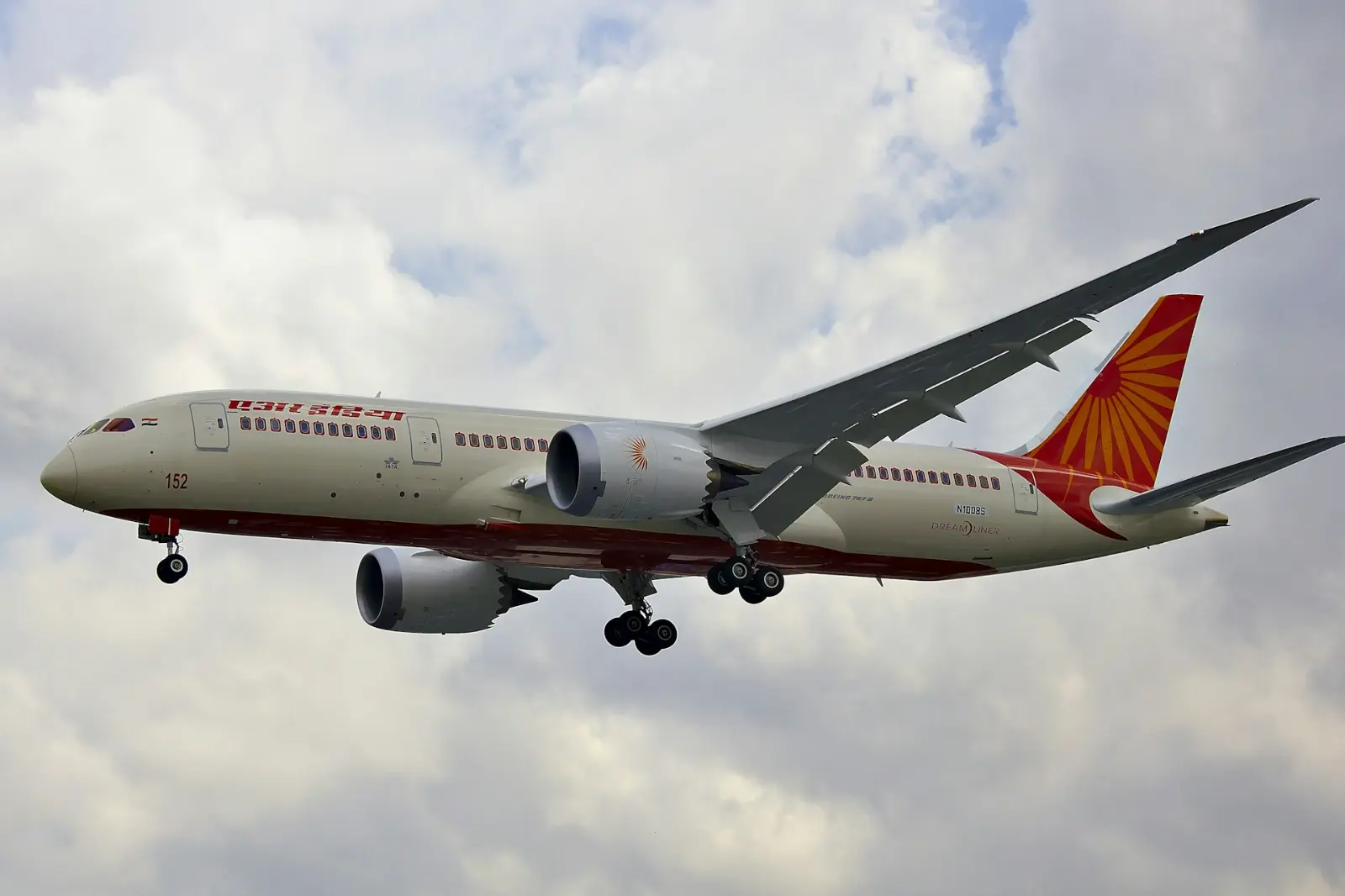
A catastrophic aviation disaster involving hundreds of passengers was narrowly averted by mere seconds at India’s second-busiest aviation gateway. Late last night, a terrifying Mumbai Airport near-miss July 2026 sent shockwaves through the Ministry of Civil Aviation after two fully loaded Air India commercial passenger aircraft wound up standing directly face-to-face on a single active runway strip.
The terrifying runway incursions occurred at the Chhatrapati Shivaji Maharaj International Airport (CSMIA) amid heavy monsoon downpours and low-visibility conditions. The severe breakdown in standard operational protocols saw an incoming flight cleared to land on the exact same runway line where another Air India jet was actively holding for takeoff clearance.
The Directorate General of Civil Aviation (DGCA) has stepped forward to launch a high-priority, comprehensive safety investigation into the structural failure. Initial tracking telemetry reports indicate that the two massive airliners came within a chilling distance of each other before emergency braking maneuvers halted the metal giants. Multiple senior Air Traffic Control (ATC) operators have been immediately stood down from active flight logging duties pending a full forensic audit of the communication tapes.
The Timeline of the Incursion: Seconds From Disaster
According to technical transponder logs reviewed by aviation monitoring bodies, the Mumbai Airport near-miss July 2026 materialized during a high-density traffic peak where single-runway operations were being pushed to their absolute structural limits due to crosswind constraints on secondary tarmac lines.
The operational breakdown developed through a sequence of conflicting commands:
- Air India Flight AI-804 Holds on Runway 09
- ATC Issue Faulty Landing Clearance to Air India Flight AI-411
- Flight AI-411 Touches Down on Same Strip
- Emergency Brakes Applied Face-to-Face
Air India Flight AI-804 was instructed by the local ground control tower to taxi line-up and hold on Runway 09/27, preparing for its scheduled departure circuit to New Delhi. However, due to a severe observational oversight or an automated tracking lag within the tower’s local radar array, a secondary ATC controller cleared an incoming flight, Air India Flight AI-411 arriving from Bengaluru, to make an immediate landing on the exact same runway vector.
The flight crew of the landing aircraft touched down on the rain-slicked runway surface through heavy monsoon low clouds, only to see the red and white outline of their sister aircraft sitting dead ahead in their direct path. Deploying maximum reverse thrust along with manual emergency braking systems, the pilots managed to bring the decelerating aircraft to a hard halt on the wet tarmac, preventing a high-velocity collision by an incredibly narrow margin.
DGCA Orders Comprehensive Audit of Mumbai ATC Capacity Overload
As news of the Mumbai Airport near-miss July 2026 filtered into administrative circles, the regulatory response from the state was immediate and unyielding. The DGCA has demanded that the Airports Authority of India (AAI) hand over all raw audio communication tapes, digital surface movement radar (SMR) logs, and internal cockpit voice recordings (CVR) from both aircraft within twenty-four hours.
A senior aviation safety inspector, speaking on condition of anonymity, emphasized that the investigation will look past basic individual human error to analyze potential systemic capacity overloads within the Mumbai air traffic network:
- Peak Operational Stress: CSMIA operates as a highly restricted single-runway operation setup due to space constraints, processing over 900 flight movements daily.
- Monsoon Visibility Factors: The intense cloudbursts drop horizontal visibility margins rapidly, forcing controllers to rely entirely on automated electronic indicators rather than direct physical sightlines out of the tower windows.
- The Fatigue Factor: The probe will systematically analyze the work shift patterns of the logging controllers on duty to verify if exhaustion played a role in the miscommunication.
Aviation Industry Demands Immediate Tech Modernization
The terrifying reality of the Mumbai Airport near-miss July 2026 has reignited intense, industry-wide demands for Indian airports to fast-track the deployment of advanced, automated anti-collision terminal software. While India’s domestic commercial fleet is growing at an unprecedented pace, local airport ground tracking technologies have lagged behind.
Aviation safety groups argue that relying solely on human voice commands during severe monsoon events leaves zero safety buffers for sudden errors.
By taking an uncompromising stance on this runway crisis, the regulatory authority has signaled to the entire global aviation industry that while India’s rapid infrastructure growth is highly impressive, it will never be permitted to outpace the rigid, absolute parameters of passenger safety.