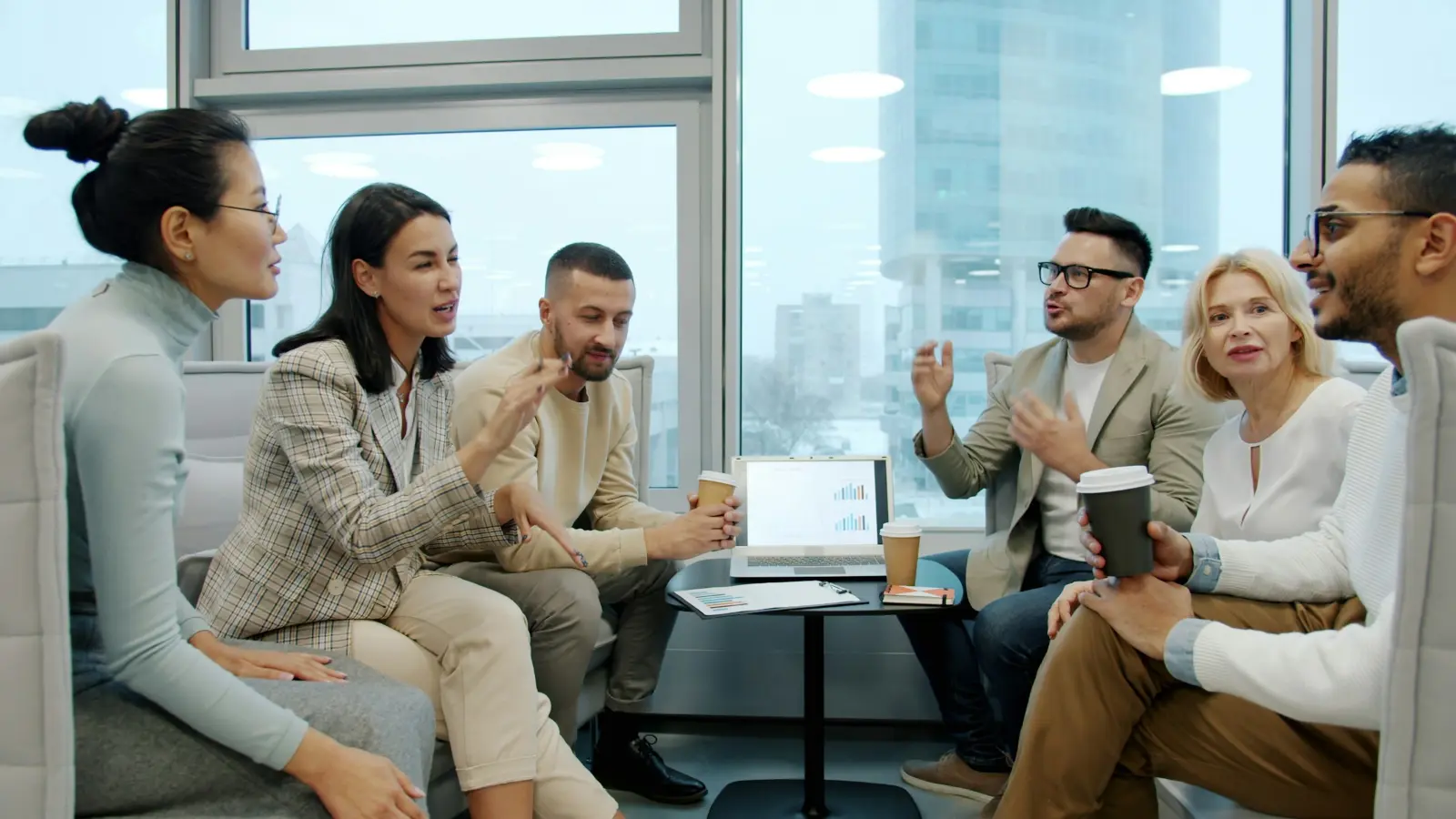
For the first time in modern economic history, the workplace is home to four distinct generations working side-by-side. From Baby Boomers who bring decades of institutional knowledge, to Gen X managers, Millennial executives, and the digital-native Gen Z cohort entering the workforce, the modern office is a melting pot of varied communication styles, work ethics, and professional expectations. For a leader in 2026, managing multi-generational teams is no longer a peripheral human resources topic – it is the central operational challenge that determines whether an organization scales or stalls due to internal friction.
Moving Beyond Generational Stereotypes
The biggest trap a manager can fall into is relying on lazy internet stereotypes. Labeling younger workers as entitled or older workers as tech-phobic is not only inaccurate, but it also creates a toxic undercurrent of resentment within your organization.
Effective leadership requires looking past the labels to understand the underlying values of each group. Every generation wants to do meaningful work and be respected for their contributions; they simply define and communicate those desires differently based on the era they grew up in.
Designing a Multi-Channel Communication Architecture
When managing multi-generational teams, communication is almost always the first point of failure. A failure to align on how information is shared leads directly to missed deadlines, fractured trust, and unnecessary office politics.
To bridge this gap, leaders must establish a clear Communication Charter that balances the preferences of all team members:
- Asynchronous Documentation: Use tools like Notion or Confluence as your Source of Truth. All project requirements, decisions, and updates must be documented in writing, ensuring that everyone – regardless of their preferred communication speed – has equal access to information.
- Define Channel Urgency: Clearly articulate what each tool is for. For example, use Slack/Teams for casual, non-urgent coordination, email for formal documentation, and phone calls exclusively for time-sensitive emergencies. This prevents younger employees from feeling overwhelmed by constant pings and older employees from feeling left out of the loop.
The Power of Mutual Mentorship
One of the most effective strategies for managing multi-generational teams is breaking down institutional silos through structured cross-generation pairing.
Reverse Mentorship Networks
Don’t just have senior employees mentor junior staff. Implement a Reverse Mentorship program where younger, digitally native employees mentor senior executives on emerging technologies, digital consumer trends, and modern platform dynamics. This builds a culture of mutual respect, showing every team member that they have valuable knowledge to share, regardless of their tenure or job title.
Knowledge Transfer Pipelines
Older employees possess deep tribal knowledge – historical context about client relationships, industry cycles, and crisis management that cannot be taught in a software manual. Pair these veterans with younger talent on high-stakes projects to ensure this critical intelligence is passed down before retirement, securing your company’s operational continuity.
Creating a Flexible, Value-Driven Culture
Ultimately, the key to successfully managing multi-generational teams lies in flexibility. Younger generations prioritize work-life integration, mental health support, and clear societal purpose in their employment. Older generations often value structural stability, clear hierarchies, and traditional compensation metrics.
A modern leader does not pick sides. Instead, build an inclusive culture that accommodates these varying needs by offering flexible working arrangements, transparent career pathing, and a purpose-driven mission that everyone can rally behind. By treating generational diversity as a core competitive advantage rather than an administrative headache, you unlock a wealth of varied perspectives that drives innovation and long-term organizational resilience.