
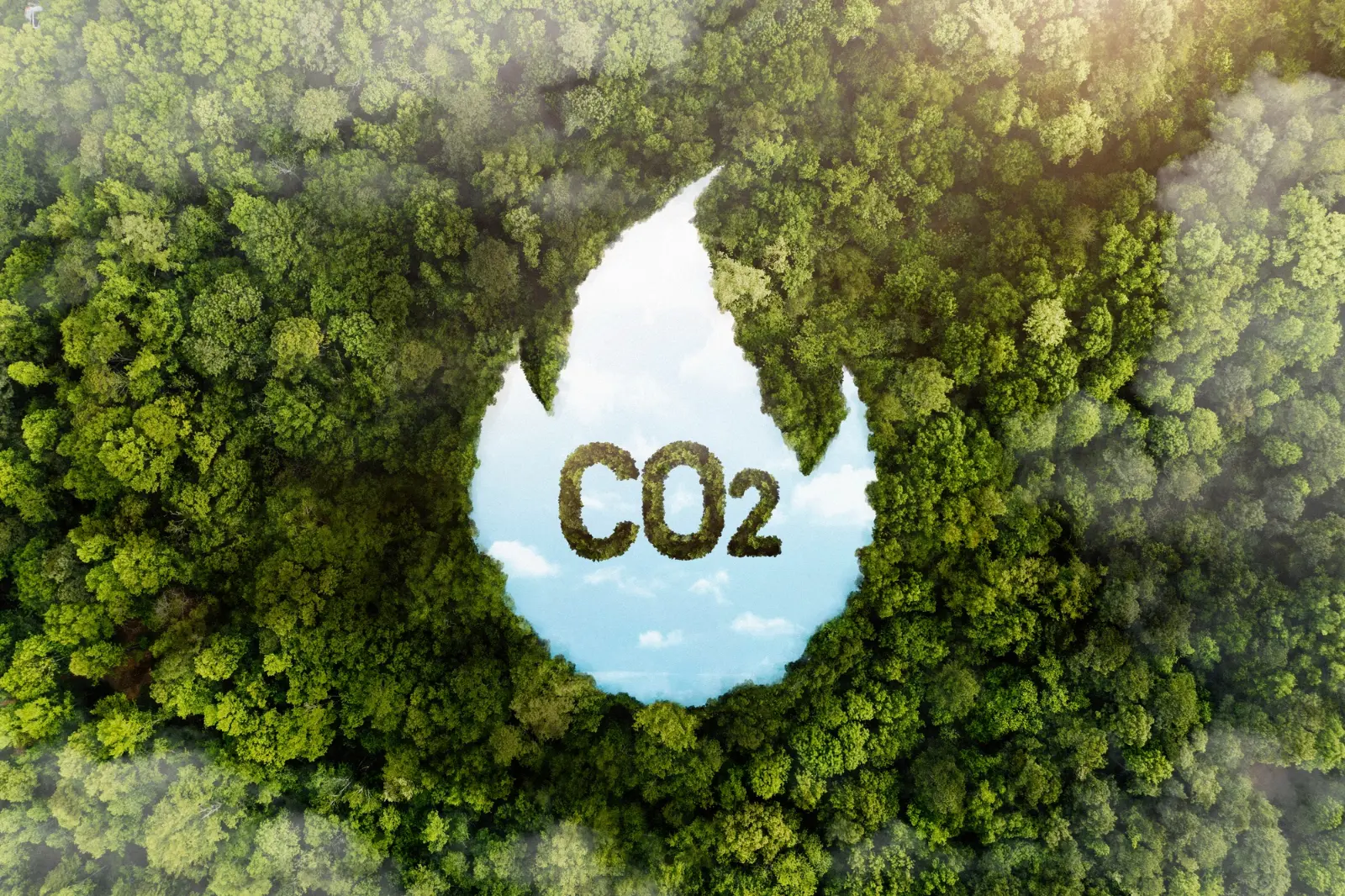
For many Small and Medium Enterprises (SMEs), Net Zero sounds like a mandate reserved for massive, multinational corporations. In 2026, however, the landscape has changed. Whether you are part of a larger company’s supply chain or facing increasing pressure from customers and investors, having a credible carbon strategy is becoming a prerequisite for doing business. Carbon credits are the most accessible entry point for an SME looking to take its first concrete steps toward climate action.
Understanding Carbon Credits in 2026
A carbon credit is essentially a financial instrument representing the removal or avoidance of one metric tonne of carbon dioxide equivalent (CO2e) from the atmosphere.
Why the Market Has Shifted
In previous years, buying carbon credits was often criticized as greenwashing – a way to pay for a clear conscience without doing the hard work of actual decarbonization. In 2026, the Oxford Principles for Net Zero have become the industry standard. This means you must:
- Prioritize Reduction: Your primary focus should always be reducing your own operational emissions (e.g., energy efficiency, electrification).
- Use Credits for Residuals: Credits should only be used to neutralize your hard-to-abate residual emissions.
The Strategy for SMEs
If you are an SME, do not jump into the market without a plan. Follow this three-step roadmap:
1. Measure First
You cannot offset what you have not measured. Use free, accessible carbon-accounting software tailored for SMEs to establish your Baseline Year emissions. This identifies where your biggest impacts lie – usually in electricity, logistics, or waste.
2. Focus on High-Integrity Credits
Not all credits are equal. As an SME, your brand reputation is your biggest asset. Avoid the cheapest credits (often renewable energy projects that would have happened anyway). Instead, look for High-Integrity Removal Credits (such as biochar or reforestation) which are verified by reputable agencies.
3. Seek Long-Term Security
The carbon market is increasingly volatile. Instead of buying credits one by one, try to establish multi-year procurement agreements with project developers. This secures your supply and protects you against future price spikes as demand for high-quality credits continues to outstrip supply.
For the modern SME, carbon credits are not just a line item in a budget; they are a strategic asset. By demonstrating transparency and integrity, you position your business as a preferred partner for larger corporations and a trusted brand for the environmentally conscious consumer of 2026.