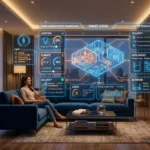
For the last three decades, technology has been an interruption. To use it, you had to pick up a device, tap a screen, or type a command. But in 2026, we are witnessing a paradigm shift: the move toward Ambient Computing. This is the era where technology disappears into the background of our lives, becoming an intelligent, invisible layer that anticipates our needs rather than waiting for our instructions.
What is Ambient Computing?
Ambient computing describes a digital environment that is aware of its user and reacts accordingly. It relies on a fusion of sensors, artificial intelligence, and edge computing to create a seamless interface that doesn’t feel like tech. You don’t log into an ambient environment – you simply exist within it, and it responds to your presence.
Why Tech is Disappearing
The primary goal of ambient computing is to remove the friction of interaction.
1. From Command to Context
Traditional computing requires intent: “I want to dim the lights, so I will open an app, find the light controller, and slide the bar”. Ambient computing relies on context: the system notices you are settling in to watch a movie, detects the time of day, and adjusts the lighting, temperature, and audio automatically.
2. The Power of “Sensor Fusion”
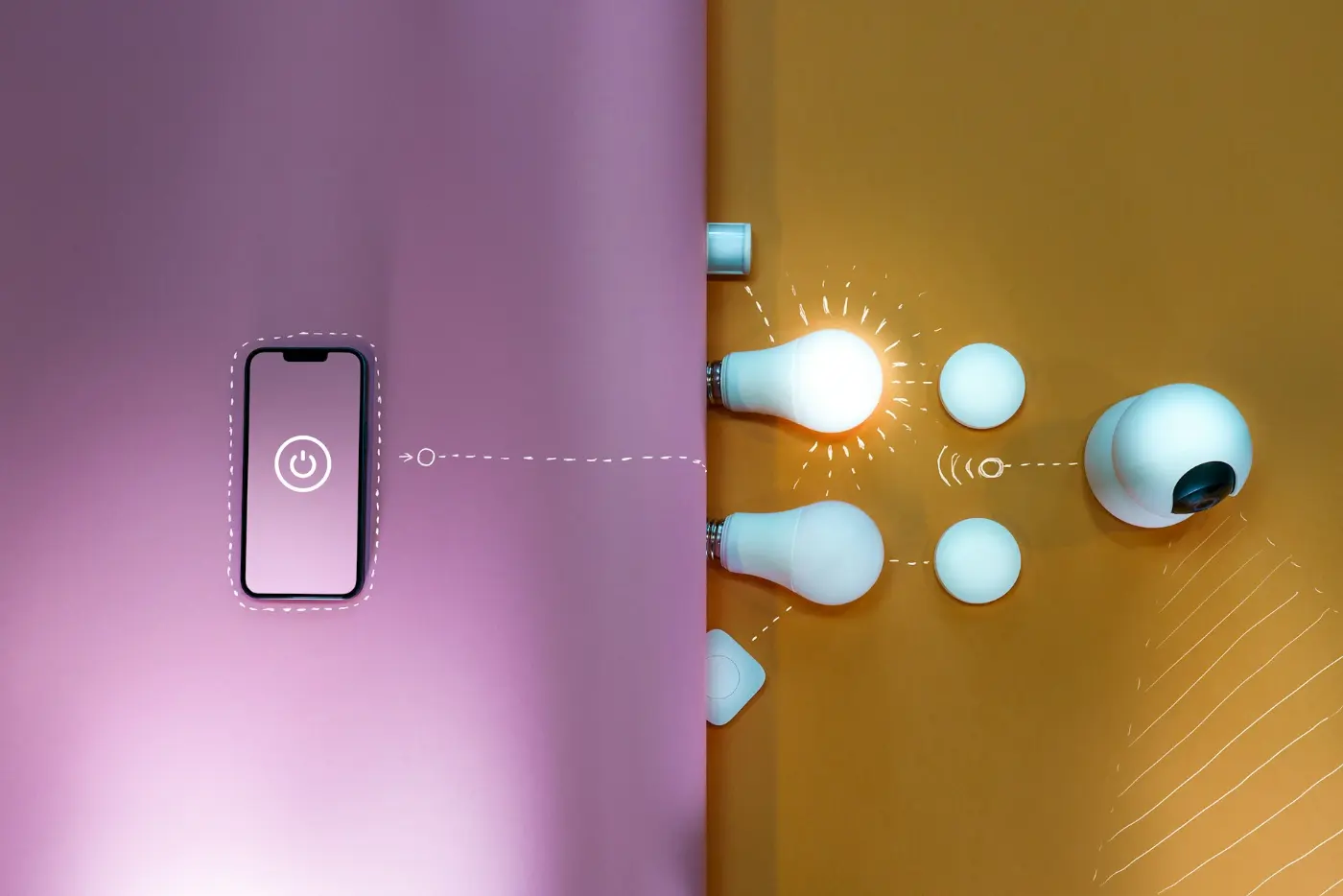
Ambient systems use a mix of thermal sensors, acoustic detection, and motion tracking to understand what is happening in a room. By combining these inputs, the environment gains a common sense understanding of your behavior.
The Infrastructure of the Invisible
To make this work, the tech has to be decentralized.
- Edge-First Processing: Ambient systems process data locally, which is crucial for privacy. Your smart mirror or wall-mounted sensor analyzes your movement, but the raw data never leaves your home – only the decision (like turning on a light) is executed.
- Invisible Hardware: We are moving away from centralized smart hubs (like big speakers) toward discreet, modular sensors built into walls, furniture, and even clothing.
The Ethical Challenge
The biggest hurdle for ambient computing is not technological; it is psychological and ethical. When your home is always listening and watching, the design must be Privacy-by-Design. In 2026, companies leading this space are using hardware-level switches that physically disconnect cameras and microphones when they aren’t needed, and they are ensuring that all AI processing occurs on the local device, never in the cloud.
Ambient computing is the final step in the maturity of the digital age. It represents a transition from technology as a tool we use to technology as a utility we live with.