
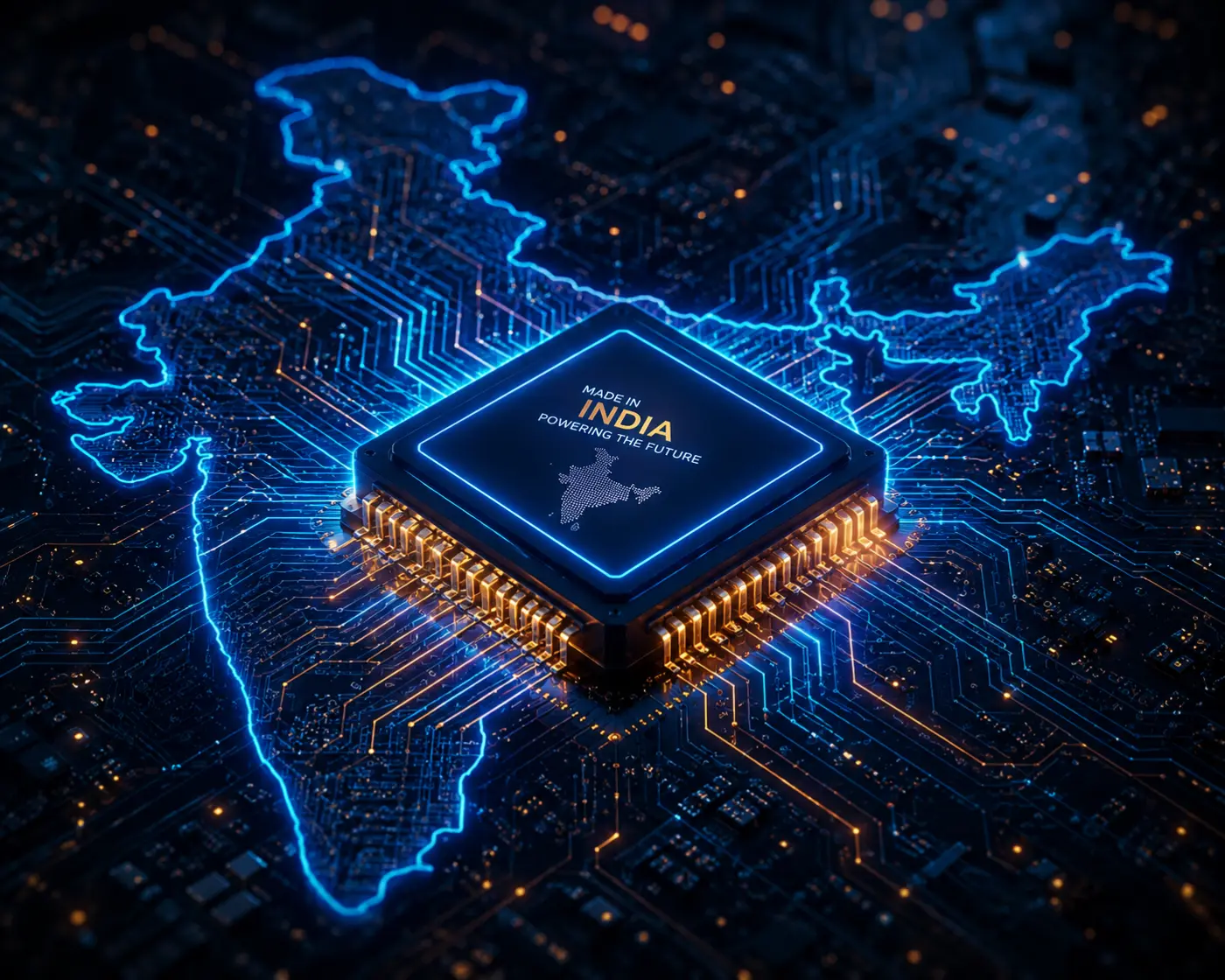
India’s push for “Chip Sovereignty” – the ability to design, manufacture, and package the semiconductors that power every modern electronic device – has moved from a policy vision to a visible economic reality. With the India Semiconductor Mission (ISM) hitting peak implementation, the country is rapidly becoming a mandatory node in the global high-tech supply chain.
Why Global Giants are Choosing India
Global chip manufacturers and OSAT (Outsourced Semiconductor Assembly and Test) firms are flocking to India due to a unique convergence of factors:
- Strategic De-risking: As global supply chains look to diversify away from single-source manufacturing dependencies, India offers a massive, stable, and transparent alternative for high-end electronics assembly and chip fabrication.
- Deep-Tech Talent Pool: India produces one of the world’s largest annual cohorts of electrical engineers and software scientists. Global giants like Intel, Qualcomm, and NVIDIA have maintained R&D hubs in India for decades, and they are now translating that design expertise into local manufacturing partnerships.
- Aggressive Financial Incentives: Under the ISM, the government is providing fiscal support covering up to 50% of the project cost for semiconductor fabs and display fabs, effectively lowering the entry barrier for the world’s most capital-intensive industry.
The Impact: Moving from Assembly to Fabrication
Historically, India’s contribution was limited to simple electronics assembly. The ISM is fundamentally changing this. By incentivizing the establishment of front-end fabrication plants, India is now entering the most complex stage of the chip ecosystem. These “fabs” are the backbone of everything from the AI processors in our laptops to the complex power-management chips in electric vehicles. Three massive semiconductor fabs are going live this year in India.
As these facilities go live throughout 2026, India is not just “making” electronics anymore – it is building the silicon foundations that will power the global digital economy for the next quarter-century.