For the past decade, “The Cloud” was the ultimate answer to every tech problem. You sent your data to a distant data center, waited for the massive supercomputers there to process it, and then received the result. But in 2026, as we deploy billions of sensors and AI-driven robotics, the speed of light has become a bottleneck. Enter Edge Computing.
The Physics of the Bottleneck
When you are operating an autonomous vehicle, a factory robot, or a high-end medical device, even a few milliseconds of latency can be the difference between safety and disaster. If a self-driving car has to send sensor data to a server in a different city just to decide whether to hit the brakes, the reaction is too slow.
Edge Computing solves this by moving the processing power “to the edge” – physically closer to where the data is actually generated.
Why Edge Computing is Changing Everything
1. Ultra-Low Latency
By processing data locally on the device (or on a nearby “Edge Server”), we reduce the distance data must travel. This results in near-zero latency, enabling real-time performance for critical tasks like AR/VR experiences, robotic surgeries, and machine-to-machine industrial communication.
2. Bandwidth Efficiency
Sending every single byte of data from thousands of IoT sensors to a central cloud is an enormous waste of expensive bandwidth. Edge systems perform “data filtering” locally – processing the routine data themselves and sending only the critical summaries to the cloud.
3. Enhanced Security and Privacy
When data is processed locally, it doesn’t need to traverse the public internet as frequently. This is particularly vital for healthcare and finance, where data privacy regulations require that sensitive information remains contained within a specific geographic or physical boundary.
The Future: The Intelligent Edge
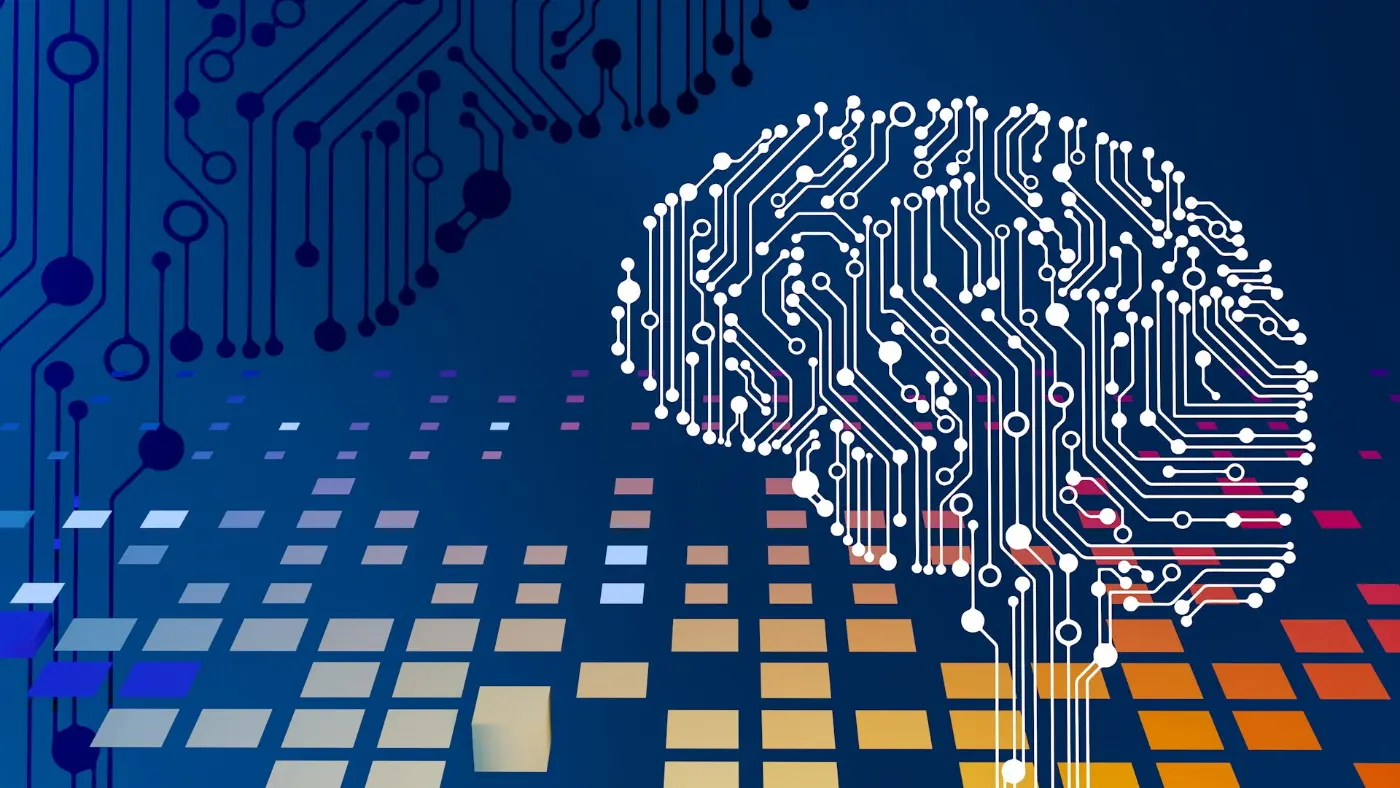
In 2026, we are witnessing the rise of the “Intelligent Edge”. Modern hardware now includes dedicated AI-accelerator chips (like NPUs) that allow devices to run complex machine learning models directly on the hardware.
The future of connectivity isn’t just a bigger cloud; it’s a massive, decentralized grid of intelligent devices that think for themselves locally while coordinating with the global network. Edge computing is the hidden backbone of this decentralized future, providing the speed and intelligence required to power the next generation of digital infrastructure.