In 2026, your eyes and ears are no longer reliable witnesses. The rise of Deepfakes – AI-generated audio, video, and image content that is indistinguishable from reality – has created the most significant security threat since the invention of the internet. If a deepfake can perfectly mimic your CEO’s voice on a call or your face on a video, the traditional trust-based verification methods of the past are now fundamentally obsolete.
The Threat Landscape: Beyond Fake News
While most people associate deepfakes with misinformation, the real danger is Identity-Based Fraud.
- Business Email Compromise (BEC) 2.0: Hackers are using AI-voice cloning to call employees, pretending to be a company executive or a trusted vendor, and requesting urgent fund transfers.
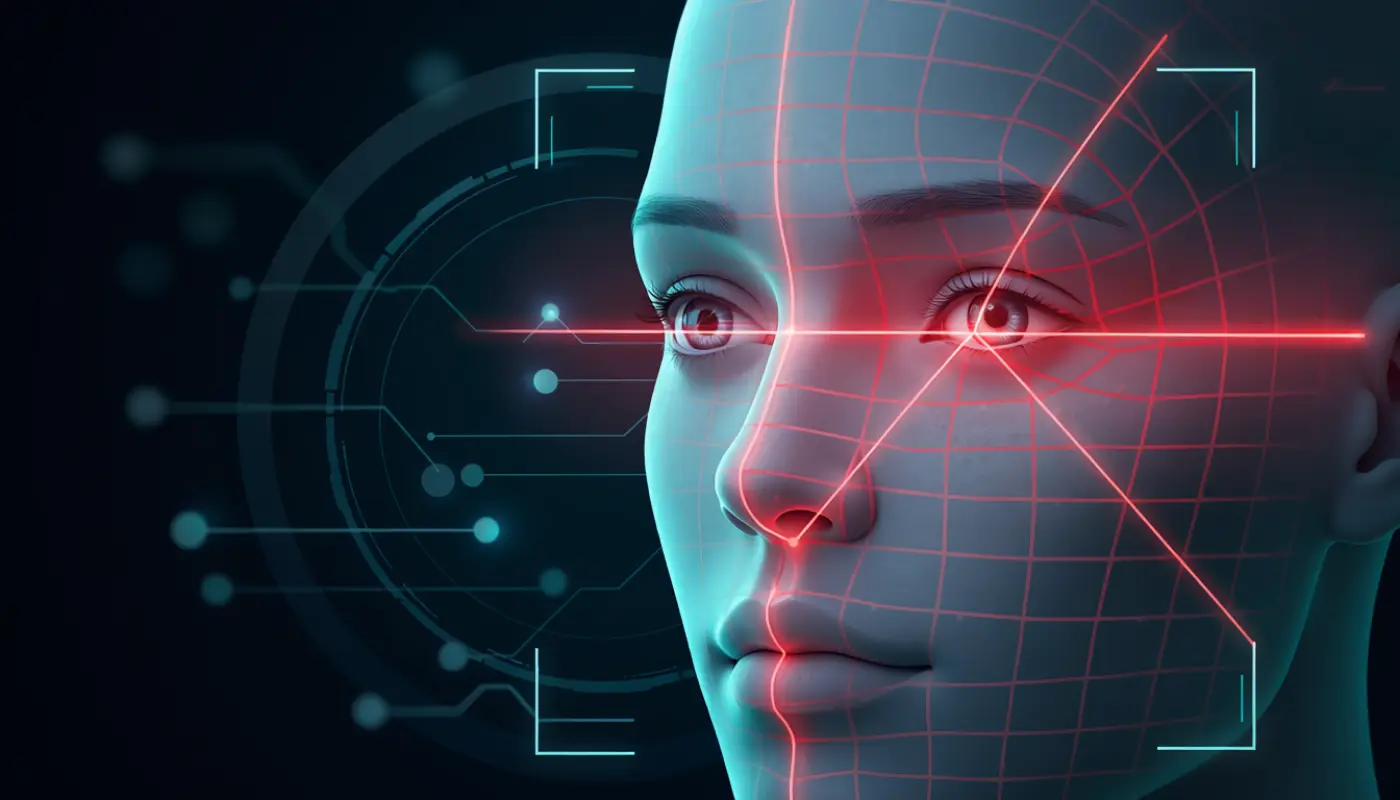
- Biometric Bypassing: Hackers are using deepfake video filters to bypass liveness detection in banking apps, potentially granting them unauthorized access to your financial accounts.
How to Protect Your Identity
Security in 2026 is about adopting Zero-Trust Communication.
- Implement Verification Words: For sensitive communications (like financial approvals), teams should agree on a secure, non-digital verification word or a code that is only shared in person or via an end-to-end encrypted channel.
- Beware of Speed-Induced Urgency: Deepfake fraud almost always relies on creating a sense of panic or extreme time pressure. If a request seems urgent and unusual, stop. Disconnect, verify the request through a secondary, independent communication channel, and never rely on the communication that initiated the call.
- Use Hardware-Based MFA: If your banking or work account requires a biometric login, ensure it is supported by Hardware-Based Multi-Factor Authentication (like a physical security key). These keys cannot be bypassed by a digital video feed.
The Future: Watermarking and Cryptographic Signing
The technological solution to deepfakes is Content Provenance. By 2027, every piece of professional digital content (official emails, company announcements) will be digitally signed at the point of origin. When you receive a file, your device will check the cryptographic signature to verify it hasn’t been tampered with. Until then, healthy skepticism is your strongest security tool. Always verify the source, never trust the medium, and when in doubt, use a secondary channel to confirm the reality of what you are seeing or hearing.