For decades, the goal of travel was speed. Jetting from one major city to another, checking off tourist hotspots, and rushing back to catch a return flight defined the modern vacation. But a cultural counter-movement has taken over the global tourism industry: Slow Travel. Driven by climate consciousness and a desire for deeper cultural connection, travelers are intentionally choosing slower routes, with luxury rail and extended stays leading the charge.
The Problem with “Fast Tourism”
Fast tourism has led to historic levels of burnout among travelers and severe over-tourism in cities like Venice, Barcelona, and Kyoto. Furthermore, aviation remains one of the fastest-growing contributors to global carbon emissions. Travelers are increasingly realizing that spending half a vacation navigating airport security lines and battling jet lag isn’t restorative.
What Does Slow Travel Look Like?
Slow travel is an mindset shift that prioritizes the journey over the destination.
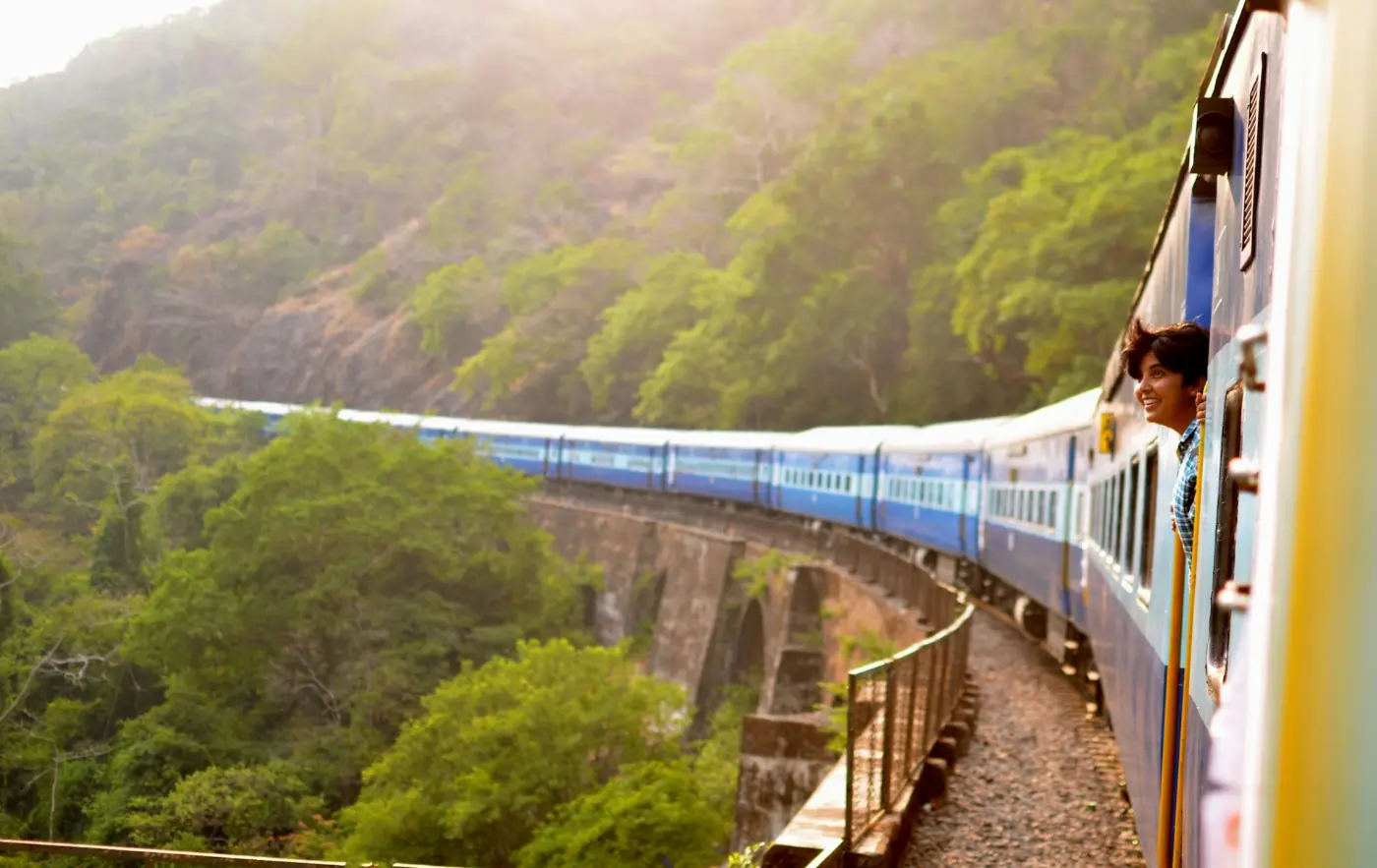
- The Renaissance of Luxury Rail: Instead of a two-hour flight, travelers are opting for multi-day train journeys equipped with fine dining, private suites, and panoramic views of landscapes missed from 30,000 feet.
- The “One-City” Vacation: Rather than visiting four cities in a week, slow travelers spend two weeks in a single neighborhood, renting local apartments, shopping at neighborhood markets, and blending into the local community.
- Micro-Tourism: Exploring lesser-known destinations right outside major hubs, reducing transit time and spreading economic benefits to rural communities that traditional tourism misses.
The Business Impact
This trend is reshaping the hospitality industry. Hotels are adapting by offering steep discounts for extended stays, introducing co-working spaces for digital nomads, and partnering with local guides to offer hyper-authentic, eco-friendly experiences. Here are some of the budget travel tips you should check.